Integrative Grief Counseling Certificate

"Grief is not a problem to be solved. It is something to be witnessed, moved through, and carried together — in the body, and in community."

November 3 - December 17, 2026 · Live via Zoom

The Integrative Grief Counseling Certificate is a 12-module, 30-hour live training that weaves applied neuroscience, somatic practice, ritual, and relational healing into one coherent embodied arc. Led by Megan Devine, Dr. Kate Truitt, Dr. Scott Lyons, Dr. Albert Wong, Dr. Rachel Natvig, and Nkem Ndefo, this program closes the gap most clinical training leaves wide open — equipping practitioners to truly meet grief in the body, in the brain, and across the full landscape of loss.
Integrative Grief Counseling Certificate

Program at a Glance

A map for grief that honors the whole person

Most practitioners encounter grief daily — in their clients' stories of loss, in the spaces where people sit with what cannot be undone. And yet most clinical training leaves grief almost entirely unaddressed.

We're taught to normalize it. To refer out. To make space, but not to truly move through it with another person. We leave training knowing grief exists — but without the neuroscience, the somatic tools, or the philosophical grounding to actually meet it.

This program was built to close that gap — completely and unflinchingly.

The Integrative Grief Counseling Certificate is a 12-module, 30-hour live training that builds a complete, embodied approach to integrative grief counseling. Led by Megan Devine, Dr. Kate Truitt, Dr. Scott Lyons, Dr. Albert Wong, Dr. Rachel Natvig, and Nkem Ndefo — this program weaves together applied neuroscience, somatic skills, therapeutic dialogue, ritual, and meaning-making into one coherent arc.

Sessions move with deliberate intention: establishing the paradigm shift in how we understand grief, building neurological and somatic fluency, developing clinical tools, and landing in sustainable, embodied practice. You won't leave with isolated techniques. You'll leave with a complete map.

Whether you work with grief directly or encounter it as part of your broader practice, this program will change how you show up — and how your clients experience their own healing.

RSVP for the Free Preview Event

FREE, LIVE & ONLINE: July 1, 2026

Meet Your Lead Faculty

Learn from World-Leading Voices in Trauma Treatment

Internationally recognized leaders bring to life a holistic and unified curriculum.
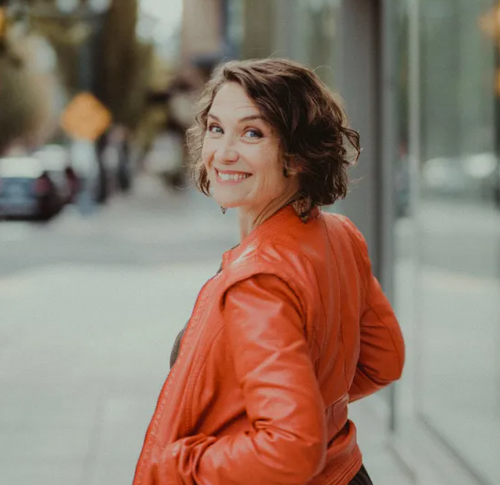
Megan Devine
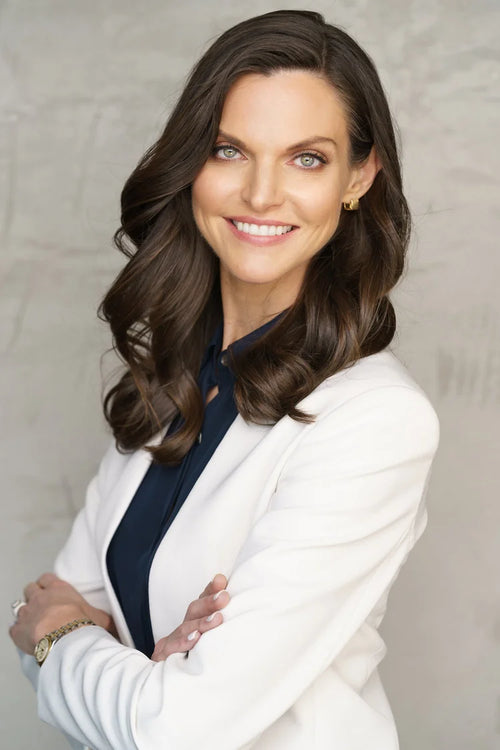
Megan Devine

Kate Truitt (Dr.)

Kate Truitt (Dr.)

Scott Lyons (Dr.)

Scott Lyons (Dr.)

Albert Wong (Dr.)
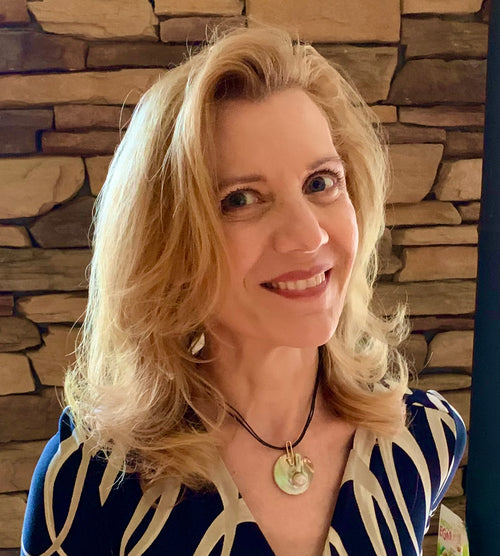
Albert Wong (Dr.)

Rachel Natvig (Dr).
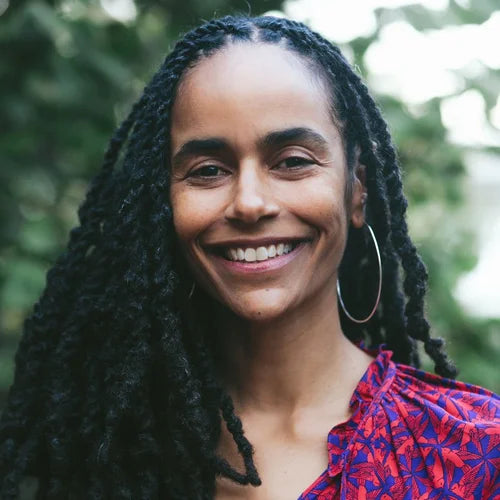
Rachel Natvig (Dr).

Nkem Ndefo

Nkem Ndefo

About the Program

Why this program, why now

What makes this certificate different Intro: There are many trainings that mention grief. Few are built entirely around it — with the depth, the neuroscience, and the somatic grounding to truly prepare practitioners to meet it.

Built on a paradigm shift, not just new tools

This program begins by dismantling the cultural myths and clinical misunderstandings about grief — then rebuilds from a humanistic, somatic foundation. You won't just learn techniques; you'll be changed in how you see grief itself.

Neuroscience-informed


Neuroscience-informed throughout Dr. Kate Truitt's Brain Partnership model and NeuroTriad framework thread through the program, giving practitioners — and their clients — language for what is happening neurologically in grief. Understanding the grieving brain dissolves shame and restores agency.

Somatic from the ground up

Grief lives in the body before language can reach it. Somatic skills — titration, pendulation, felt sense work, co-regulation — are the primary clinical language here, not add-ons.

A complete arc, not a collection of modules

Every session is designed in deliberate sequence: paradigm → neuroscience → somatic foundations → special populations → ritual → integration. Faculty are in dialogue with each other across the program. Each module builds on the last.

Rare faculty, taught together

Six faculty. Six distinct and deeply complementary lineages. This is not a summit format — these are colleagues co-creating a single coherent curriculum with care and intention.

Honors the full landscape of loss

Death, yes — but also ambiguous loss, reproductive grief, suicide loss, collective and ancestral grief, intergenerational trauma, and the grief practitioners carry themselves.

Curriculum

Curriculum

1 The Philosophy, Landscape & Taxonomy of Grief
Every practitioner carries assumptions about grief — about timelines, expression, and what "moving on" should look like. This opening session dismantles those assumptions and replaces them with a humanistic, body-centered philosophy of grief that anchors everything that follows. You'll map the full landscape of loss — from acute and anticipatory grief to traumatic, disenfranchised, and ambiguous loss — and explore the conceptual frameworks that actually serve the grieving: Continuing Bonds Theory, the Dual Process Model, and Meaning-Making as an integrative practice. You'll also receive a critical examination of the models you were probably taught — and why they were never designed for the bereaved.
2 The Body Keeps the Grief Score: Neuroscience, the Brain & Grief Assessment
November 5
Grief is not just an emotional experience — it is a neurological one. This session gives practitioners a neuroscience-informed lens for understanding what happens inside the grieving brain and body — how grief affects attention, memory, emotion regulation, and nervous system function. You'll learn to use that understanding to normalize your clients' experience, reduce shame, and structure clinical intake with precision and care. The iCASE assessment framework gives you a practical, repeatable tool for mapping how grief shows up across body, thought, emotion, nervous system, and sensory experience.
3 Foundations Part 1: Language, Presence, Dialogue & the Pain/Suffering
November 10
The words we use in the presence of grief either open or close something in the person across from us. This session teaches the language of presence — what to say, what never to say, and why the difference lands somatically before it lands cognitively. You'll explore the Pain/Suffering Framework: a deceptively simple clinical distinction that changes everything — pain (the irreversible reality of the loss) is supported; suffering (the adjustable layers that accumulate around it) is worked with. The session grounds practitioners in therapeutic dialogue — the structured entry points, the healing pause, and the somatic use of your own nervous system as an instrument of contact.
4 Foundations Part 2: Somatic Skills, Co-Regulation & Embodied Presence
November 12
Grief lives in the body before the mind has words for it. This session builds the somatic foundation of the entire program — the core skills that allow practitioners to work with grief at the level of sensation, movement, breath, and nervous system. You'll learn pendulation, titration, and the window of tolerance in grief work — what it means when a client feels unmoored in their own body, and how to help them return. The session extends into felt sense work, somatic tracking, co-regulation, and how to use your own body as the primary clinical instrument.
5 Harnessing Neuroplasticity to Support Grief Integration
November 17
The grieving brain is not broken — it is adapting. And with the right conditions, it can reorganize in ways that support integration rather than perpetuate suffering. This session teaches practitioners to harness self-directed neuroplasticity through the CASE pathways — applying CT fiber activation, cognitive engagement, and interoceptive tracking to support clients in moving from fragmented activation toward adaptive coherence. You'll learn when and how to use these tools across prolonged grief, traumatic grief, and complicated presentations, and how psychoeducation itself becomes a neuroplastic intervention — dissolving shame and building agency in the chaos of loss.
6 Somatic & Narrative Grief Processing: Body, Story & Yearning
November 19
Grief has a physiology — a geography in the body, a set of inflammatory and neurological processes that shape the entire grieving experience. This session maps that terrain: the somatic signatures of acute loss, the body's search behavior, the freeze impulse, and the breath patterns that are direct gateways into the grief-altered nervous system. You'll learn to work with the grief wave somatically — titrating contact, supporting movement-based processing, and helping clients land safely after intense activation. The session also addresses narrative integration: how telling the story of loss in the right conditions facilitates memory reconsolidation. At the center is yearning — the profound longing that is the clinical heart of grief — and the somatic and narrative tools for helping clients inhabit and metabolize it rather than bypass it.
7 Attachment, the Grieving Body & the Therapeutic Relationship
December 1
How a client grieves is profoundly shaped by how they learned to attach. This session brings attachment theory into the body — exploring the somatic signatures of each attachment style in grief, and the physiology of attachment rupture: the visceral experience of relational loss that no amount of cognitive knowing can reach. You'll learn to navigate rupture and repair in the therapeutic relationship, what it means to be a new attachment figure for a grieving client, and how to hold the moments when you don't know what to do. The session closes with continuing bonds in practice — chair work, imaginal conversation, and letter writing as somatic and relational tools for maintaining connection with what has been lost.
8 Rituals, Ceremony & Creating Containers for Grief
December 3
Grief has always been metabolized through ritual — and yet modern clinical practice has largely abandoned ceremony as a therapeutic tool. This session restores it to its full clinical dignity, teaching a complete taxonomy of grief ritual: commemorative, transitional, daily, releasing, and communal. You'll explore the neuroscience of ritual — why repetitive, intentional action calms the threat-detection system and creates predictability in an unpredictable grief landscape — and learn how to move from prescribing ritual to co-creating it with clients. The session also addresses temporal complexity: how to help clients survive the "firsts," what research shows about anticipatory dread versus lived experience, and how to navigate grief ritual in the digital age.
9 Meaning, Learning, Existential & Temporal Integration
December 8
Grief reorganizes time. The body tracks loss more granularly and persistently than the conscious mind — and this session teaches practitioners to work with that temporal dimension: the anniversary rhythms, the seasonal patterns, the countdown phenomenon of the first year, and the way the body often knows grief is coming before the mind does. The session then moves into the existential and phenomenological territory grief opens: how loss dismantles a person's sense of meaning, identity, and orientation toward the future — and how practitioners can support clients in rebuilding a livable world from the inside out. Drawing on phenomenological and existential frameworks, you'll learn to help clients move from the collapsed present of acute grief toward an embodied, open relationship with what comes next — not by resolving the loss, but by finding new ground to stand on within it.
10 Special Populations, Complex Loss, Survivor's Guilt & Ambiguous Loss
December 10
Some losses make practitioners freeze. This session names them directly and builds the clinical fluency to meet them: suicide loss, violent death, reproductive and perinatal grief, child loss across the lifespan, and grief within the legal system. You'll learn to navigate clinical complexity — when grief and trauma are completely fused, when stabilization must precede grief processing, and when to refer. The session brings a neuropsychological lens to survivor's guilt — why the brain develops this response and the specific clinical pathway for unhooking the guilt loop. Ambiguous and disenfranchised loss receive their full due: the losses society does not recognize, and the compound suffering that invisibility creates.
11 Collective, Ancestral & Intergenerational Grief
December 15
Grief is never only personal. This session expands the clinical frame to hold what is carried collectively — in bodies, in lineages, in communities, and in the land itself. You'll explore collective and societal grief: political loss, climate grief, the intersection of personal loss with systemic harm, and how to provide grief care without colluding with systems that cause it. The session brings a somatic abolitionist lens to ancestral and intergenerational grief — what is carried in the body across generations through epigenetic transmission and embodied inheritance, and how to work with it clinically and collectively. The session includes community grief facilitation tools, and closes with a practice for honoring what practitioners carry from their clients, their lineages, and their own losses.
12 The Arc of the Process, Integration, Psychedelics & Sustainable Practice
December 17
The final session brings the full arc into view. You'll receive a complete map of what a somatic grief counseling session actually looks like — how to open and close, how to pace, how to read which of the five clinical pathways a client is working in, and how to move between them within a single session. The session addresses resilience and integration: the difference between grief resolution and grief integration, and what the research shows about clients who are genuinely transformed by loss. You'll also receive an introduction to what practitioners need to know about psychedelics and grief integration — not to administer, but to hold and support. The program closes with a whole-faculty conversation about sustainable practice, self-care for the grief professional, and what each graduate is carrying into the world.
The Model

The Five Pathways

There are many trainings that mention grief. Few are built entirely around it — with the depth, the neuroscience, and the somatic grounding to truly prepare practitioners to meet it.


Somatic Pathway

Grief lives in the body before language can reach it

The nervous system encodes loss as physical reality — heaviness, contraction, numbness, the visceral absence of the person. Somatic grief work accesses and moves grief through sensation, breath, movement, and embodied presence.
Tool: Titration & Pendulation · Dr. Scott Lyons

Neuroscience Pathway

Understanding the grieving brain restores agency

The NeuroTriad Model and iCASE framework give practitioners and clients language for what is happening neurologically — dissolving shame and building partnership with the brain as it adapts to loss.
Tool: Brain Partnership + NeuroTriad · Dr. Kate Truitt\

Creative & Ritual Pathway

Grief needs a container, a shape, and a place to live

Grief has been metabolized through ceremony, art, and ritual for as long as humans have mourned. This pathway accesses healing through intentional symbolic action, expressive arts, and crafted ceremony. Tool: Ritual Design + Expressive Arts · Dr. Rachel Natvig

Relational Attachment Pathway


We grieve in the same patterns we learned to love

Loss activates our deepest attachment blueprints. Healing happens in and through relationship — with the practitioner, the deceased, and the community.
Tool: Empathic Resonance + Rupture & Repair · Dr. Albert Wong

Learning & Integration Pathway

Meaning is not found — it is made, slowly, in the living

Grief ultimately asks us to reorganize identity and worldview around the permanent reality of loss. Integration is not closure — it is learning to carry the loss differently, and discovering we are changed by it.
Tool: Narrative Integration + PTG · Dr. Kate Truitt / Dr. Scott Lyons


What You'll Learn

Skills you'll carry into your practice

  • Navigate the full landscape of grief — from acute loss to ambiguous, ancestral, and collective grief
  • Track and work with grief at the level of the body — somatically, skillfully, without overwhelm
  • Understand what the grieving brain is doing and use that understanding clinically
  • Apply the iCASE assessment framework to map grief across body, thought, emotion, nervous system, and sensory experience
  • Use language that honors pain rather than minimizing or prematurely resolving it
  • Apply the Pain/Suffering Framework to distinguish what is supported from what is worked with
  • Hold the therapeutic container through intense grief activation, dissociation, and shutdown
  • Use pendulation, titration, and the window of tolerance in grief work
  • Harness self-directed neuroplasticity through the CASE pathways to support grief integration
  • Work with yearning — the clinical heart of grief — through somatic and narrative tools
  • Navigate attachment-based grief, rupture and repair, and continuing bonds in practice
  • Co-create ritual and ceremony as a clinical tool for grief integration
  • Support clients through complex loss — suicide, traumatic, reproductive, ambiguous, and disenfranchised grief
  • Recognize and clinically address survivor's guilt through a neuropsychological lens
  • Work with collective, ancestral, and intergenerational grief through a somatic abolitionist lens
  • Recognize which of the five pathways a client is working in and move between them within a session
  • Distinguish grief resolution from grief integration and support post-traumatic growth
  • Hold and support clients in psychedelic-assisted grief integration
  • Sustain yourself as a practitioner across a career of sitting with loss
Who This Is For

Designed for practitioners who go deeper

- Therapists, psychologists, counselors, and social workers who want a deeper clinical framework for grief work
- Somatic practitioners seeking the neuroscience and dialogue tools to deepen their grief practice
- Coaches, chaplains, and spiritual care providers who sit with loss and need greater clinical fluency
- Bodyworkers, yoga therapists, and movement practitioners working with people carrying grief in their bodies
- Trauma practitioners extending their skills into the closely related but distinct territory of grief
- Hospice, palliative care, and end-of-life professionals
- Grief support group facilitators and peer support workers
- Any helping professional who feels underprepared when grief enters their work

Program Schedule

12 sessions over 7 weeks (Nov 3 – Dec 17, 2026), Tuesdays 5–7:30pm ET and Thursdays 2–4:30pm ET

Learning Platform Format

Zoom:

The live portion will be offered using Zoom in meeting format, allowing instructors and students to interact and participate in breakout sessions.

Online Learning Platform:

  • Detailed schedule and reminder emails
  • How to access via Zoom
  • All recordings available within 48 hours
  • Supporting materials including PDFs

Accessibility:

  • Download video or audio to your computer
  • Lifetime access to the content
  • Live captioning and transcripts in English

Certificate of Completion

Requirements to receive the Certificate:

  • Attend the live sessions or watch the recordings
  • Complete any required assignments or reflections
  • Participate in supervision groups (where applicable)

CE Credits:

CEUs available

Registration / Enrollment

Secure your spot in this certificate program. Payment plans and member pricing available at checkout.

Enrollment

Ready to begin?

Choose your payment plan and secure your spot.

Enrollment Options
Rendering loop-subscriptions
$0.00 each
0.00
Purchase Options
Selling Plans
$657.00
$657.00
each
$657.00
$657.00
each
 3 Monthly Payments
$657.00
$657.00
each
 4 Monthly Payments
$657.00
$657.00
each
 6 Monthly Payments
$657.00
$657.00
each
 3 Monthly Payments
$657.00
$657.00
each
 4 Monthly Payments
$657.00
$657.00
each
 6 Monthly Payments

Add the monthly membership in your shopping cart for free with a 7-Day trial to get the member rate. Renews at $26/month. Cancel anytime.