Join the world-leading hub for embodied learning
Embodied education, self-discovery, and healing for global transformation, with the world's leading teachers in somatics, trauma, and embodied wisdom.
Explore your membership options
All plans include full access to our on-demand library, monthly Master Classes, and member-only pricing on certificates.
Monthly
Annual
6-Month
What's included in every membership
-
Twice-Monthly Master Classes Live sessions with our Core Faculty, every recording saved to your library the moment it ends.
-
Lifetime Access to Core Faculty Recordings Every flagship Master Class recording, yours to revisit anytime, no expiry.
-
Full On-Demand Library All past Master Classes, Live Events, and Practice Sessions, with new content added every month.*
-
VIP Access to Live Events & One-Day Summits Reserved spots at all 8 annual One-Day Summits, plus exclusive Members-Only panels and bonus classes throughout the year.
-
Members Community Forum Connect, practice, and share with a global community of practitioners, therapists, and healers.
-
Member Discount on All Certificates & Workshops Exclusive savings on every certificate program and workshop, if you attend regularly, your membership pays for itself.
Live with our Core Faculty
 Members Only
Loving Our Shapes: Inviting Transformationw/ Kai Cheng Thom
In this Master Class with somatic coach and practitioner Kai Cheng Thom, we will explore the meaning "shape" in somatic healing and transformation - that is, the patterns created by survival reflexes, body memory, and social conditioning. Kai Cheng will offer simple yet powerful practices from her unique Giving Love Methodology for somatic self-inquiry that can be used to support nervous system stabilization, somatic awareness, interpersonal attunement and connection, as well as trauma-informed somatic transformation. This work can be used in a wide variety of contexts to support group work, coaching, healing, and personal development.
 Members Only
The Felt Sense of Safety: Interoception, Mindful Touch, and Trauma-Informed Neuroplasticityw/ Dr. Kate Truitt
In this 90-minute experiential masterclass, trauma expert and applied neuroscientist Dr. Kate Truitt introduces a practical, neuroscience-informed approach to interoception and mindful touch. Participants will explore how trauma disrupts the nervous system's interpretation of internal safety cues, making calm or connection feel unfamiliar or unsafe. Through brief lecture, guided self-practice, and clinical reflection, you'll learn how mindful touch supports embodied safety via C-tactile pathways and neuroplasticity, and discover a tracking process to help clients assess if safety feels internally available.
Everything you need to deepen your practice
World-class faculty. A living library of clinical content. Live sessions every month.


Upcoming Master Classes
 Members Only
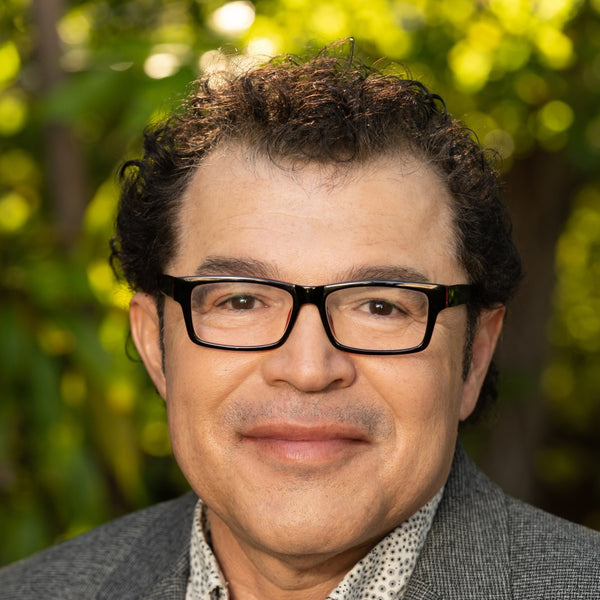
The Nervous System You Inherited: A Somatic Approach to Generational Trauma and Family Patternsw/ Sergio Ocampo
What if some of the patterns your nervous system carries did not begin with you? Fear, vigilance, shame, disconnection, and even the ways we relate to others can be shaped by experiences that reach beyond our own lives. In this experiential master class, we will explore how generational trauma and family patterns can live in the body and influence the nervous system. Through somatic awareness and guided practices, participants will learn to recognize what they may be carrying from the past, explore how these patterns show up in the present, and discover new possibilities for regulation, connection, and change.