Best overall: Somatic Stress Release™ Certificate for body-based stress education; best for trauma-informed context: Integrative Somatic Trauma Therapy Certificate; best introductory option: Somatic Stress Release™ Training Level 1: Foundations. If you’re choosing a somatic bodywork certification for chiropractors in 2026, distinguish education that complements chiropractic care from credentials that authorize a different clinical role.
- For somatic bodywork certification for chiropractors, Somatic Stress Release™ Certificate is the strongest match for stress-focused education.
- The Embody Lab’s Integrative Somatic Trauma Therapy Certificate fits practitioners seeking broader trauma-informed context.
- Somatic Stress Release™ Training Level 1: Foundations is an introductory training, not a substitute for the full certificate.
- Verify chiropractic CE acceptance, eligibility, and scope before enrolling; a course certificate does not expand your license.
Why this matters
Somatic education and hands-on bodywork overlap, but they are not interchangeable. A program can teach body awareness and trauma-informed practice without qualifying you in a manual technique. Likewise, completing trauma education does not make a chiropractor a psychotherapist.
The useful question is not which certificate sounds most advanced. It is which educational focus addresses a defined gap in your existing practice: understanding stress responses, developing trauma-informed context, or exploring somatic principles before pursuing a larger program.
The Embody Lab’s Somatic Stress Release™ Certificate is the best fit on this shortlist for chiropractors seeking body-based stress education. That recommendation concerns educational fit, not chiropractic board approval or demonstrated patient outcomes.
For your 2026 training decision, keep those distinctions visible. Select a program for what it teaches, then independently verify whether its credential and continuing education provisions meet your professional requirements.
What makes the best somatic training for chiropractors
Use these criteria before comparing program titles:
- Clinical relevance: Match the subject to a specific practice need. Stress-focused learning and broad trauma education solve different educational problems.
- Scope clarity: Separate patient education and consent practices from psychotherapy, trauma processing, and any intervention outside your authorization.
- Credential clarity: Establish whether completion produces a course certificate, a program certificate, or a separately assessed professional credential.
- Practice requirements: Ask whether the training includes observed skills, feedback, assessment, or supervised application. Do not infer these from the word “certificate.”
- Chiropractic CE acceptance: Confirm acceptance with the relevant licensing board. CE accreditation for another profession does not establish acceptance for chiropractors.
- Training commitment: Compare the published learning commitment with the actual time you can protect. A curriculum only helps if you can complete and appropriately integrate it.
These criteria prioritize fit over the longest title. They also prevent a common category error: treating an educational certificate as permission to offer a new clinical service.
Somatic training options at a glance
| Option | Best for | Standout educational focus | Published commitment | Key limitation |
|---|---|---|---|---|
| Somatic Stress Release™ Certificate | Body-based stress education | Somatic approach to stress | 100 training hours | Does not establish chiropractic CE acceptance or authorize psychotherapy |
| Integrative Somatic Trauma Therapy Certificate | Broader trauma-informed context | Body-centered framework for understanding and working with trauma | 3 months online | Trauma therapy content requires careful scope review |
| Somatic Stress Release™ Training Level 1: Foundations | Exploring the approach before choosing a full pathway | First stage of Somatic Stress Release™ training | Foundations stage | Not equivalent to completing the full certificate |
This is a focused comparison of relevant educational options, not a ranking of every somatic credential. The introductory training remains in the table because deciding whether to pursue a certificate is a different need from completing one.
1. Somatic Stress Release: best for stress-focused bodywork
The Somatic Stress Release™ Certificate is a 100-hour program centered on a somatic approach to stress. Its stated focus makes it the closest match here for a chiropractor seeking body-based stress education rather than a broad psychotherapy curriculum.
The Embody Lab also lists 3 training levels within Somatic Stress Release™: Foundations, Intermediate, and Advanced. Their descriptions distinguish an initial exploration of stress and trauma in the body, deeper tracking of internal stress responses, and advanced somatic practices addressing chronic body tension.
That progression gives you specific curriculum questions to ask. Confirm how the full certificate relates to the individual levels, which completion requirements apply, and what practical assessment accompanies the educational material.
Somatic Stress Release™ Certificate pros:
- Direct topical alignment with body-based stress education.
- A stated 100-hour commitment supports realistic study planning.
- Named training levels distinguish foundational learning from advanced study.
- A stress-focused subject provides a clear basis for evaluating relevance to your current role.
Somatic Stress Release™ Certificate cons:
- A somatic certificate does not itself authorize psychotherapy or another licensed profession.
- The program’s stress focus does not establish training in a particular manual bodywork technique.
- Chiropractic CE acceptance requires separate confirmation.
Best for: Chiropractors whose educational priority is understanding somatic stress responses while remaining within chiropractic scope.
Verdict: Buy for the stress-focused educational fit, after verifying eligibility, assessment requirements, and any CE you need.
2. Integrative Somatic Trauma Therapy: best for trauma context
The Integrative Somatic Trauma Therapy Certificate offers a body-centered framework for understanding and working with trauma. The published description identifies a 3-month online certificate, making its educational emphasis broader than stress-focused learning alone.
For a chiropractor, the useful distinction is between understanding trauma-informed care and providing trauma therapy. You can seek education about trauma without representing yourself as qualified to deliver every intervention covered in that education.
Before enrolling, ask which learning objectives apply to your professional role. Examine any clinical exercises separately from conceptual material, and identify what requires additional qualifications, supervision, or referral.
Integrative Somatic Trauma Therapy Certificate pros:
- An explicit body-centered trauma framework matches a defined educational interest.
- The 3-month format gives you a stated period around which to plan study.
- Online delivery supports participation without attending an in-person classroom.
- The trauma focus offers a distinct alternative to a stress-centered curriculum.
Integrative Somatic Trauma Therapy Certificate cons:
- “Trauma therapy” in a program title does not confer psychotherapy licensure.
- A broad trauma curriculum is not a substitute for technique-specific bodywork training.
- Calendar duration does not establish contact hours, supervised practice, or chiropractic CE acceptance.
Best for: Chiropractors seeking broader trauma-informed understanding and willing to separate educational exposure from authorized clinical application.
Verdict: Buy for trauma-informed context; skip it if your sole objective is a hands-on manual technique credential.
3. Somatic Stress Release Foundations: best for initial exploration
Somatic Stress Release™ Training Level 1: Foundations is the first stage of the training with Dr. Scott Lyons. Its description introduces how stress and trauma are held in the body.
This is the introductory option, not an equivalent replacement for the full certificate. Choose it when you need to clarify whether this subject fits your practice before deciding on a larger educational commitment.
The distinction matters when describing your training publicly. Completing an introductory stage should not become a claim that you have completed the entire certification pathway. Use the exact credential awarded, and ask the provider how any stage completion relates to subsequent training.
Somatic Stress Release™ Training Level 1: Foundations pros:
- Clearly identified as foundational rather than advanced study.
- Introduces the subject within a named training pathway.
- Names Dr. Scott Lyons in the course description.
- Offers a distinct decision point for practitioners still evaluating the approach.
Somatic Stress Release™ Training Level 1: Foundations cons:
- Completion is not equivalent to completing the full certificate.
- Introductory study alone does not establish readiness for advanced clinical application.
- Progression rules and credit toward further study require confirmation.
Best for: Chiropractors exploring somatic stress education before deciding whether to pursue the complete pathway.
Verdict: Buy for initial exploration; skip it as a substitute for the full certificate.
How the options rank
The ranking follows educational relevance, credential clarity, and the specificity of the published program descriptions. Somatic Stress Release™ Certificate ranks first because its stress-focused subject most directly matches this guide’s body-based educational brief.
Integrative Somatic Trauma Therapy Certificate takes the broader trauma-context slot. Foundations serves the separate need of exploring the approach before selecting a full program.
This 2026 comparison does not rank clinical effectiveness, teaching quality, or patient results. Program descriptions establish subject matter and stated commitments; they do not establish comparative outcomes.
Verify fit before you enroll
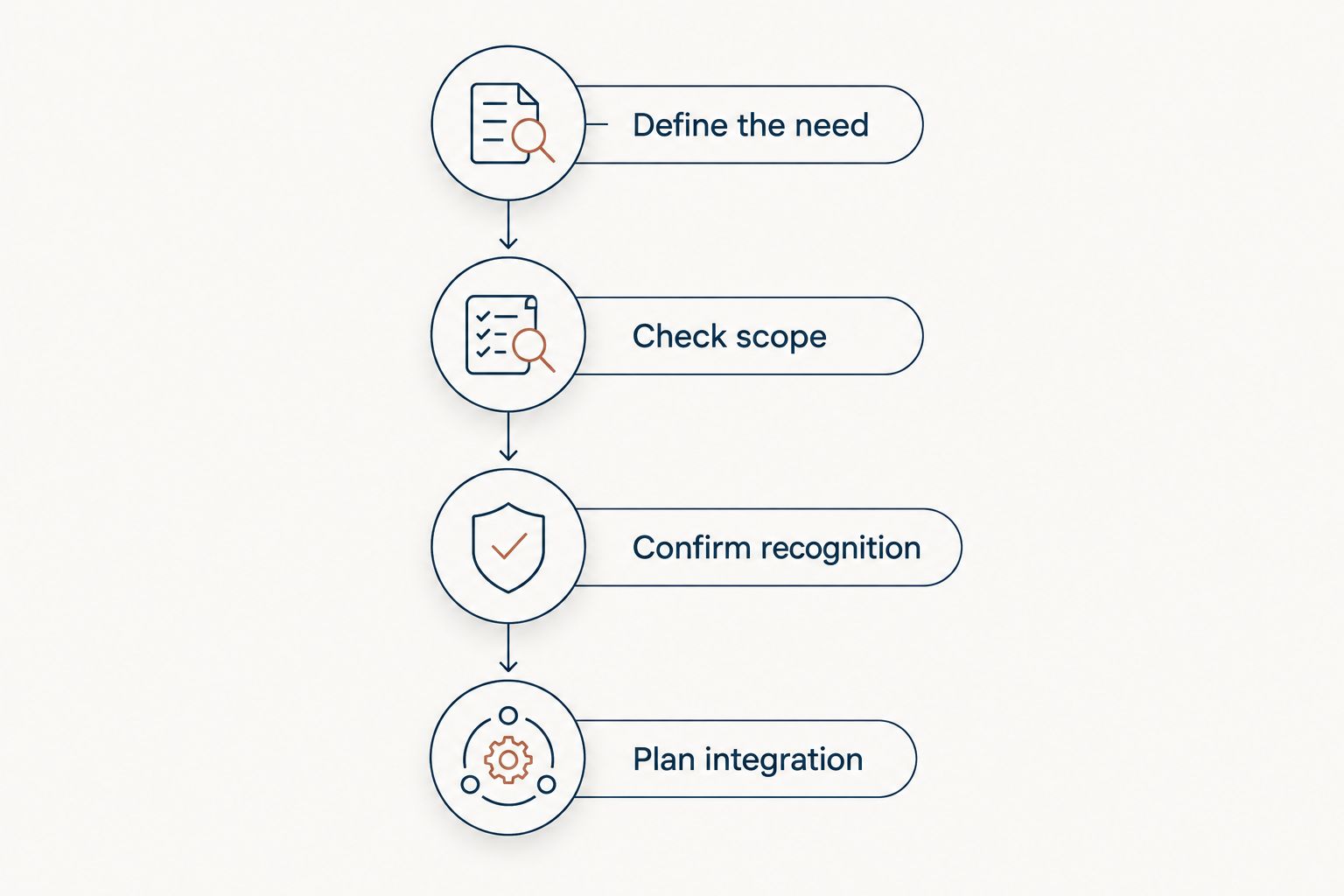
Use this sequence to turn a shortlist into a defensible professional education decision. Keep the responses with your training records, especially when you intend to claim continuing education credit.
Define the need
Write down the practice question you want the training to address. “Understand body-based stress education” is specific enough to compare with learning objectives; “become more trauma-informed” needs further definition.
If your goal is a manual skill, ask for the exact technique taught and how competence is assessed. Do not assume that a somatic curriculum includes hands-on instruction simply because its subject is the body.
Check scope
Review the learning objectives against your license and jurisdiction. Separate material you can understand conceptually from interventions you can legally and competently provide.
Ask how the program addresses professional boundaries and referral. Your chiropractic role remains the starting point, even when a course discusses clinical practices associated with other professions.
Confirm recognition
Request the precise credential name and its completion requirements. If CE matters, obtain the relevant approval details and check them against your board’s 2026 requirements.
The Embody Lab offers CE-accredited professional education, but that platform-level description is not proof that a particular course qualifies for your chiropractic renewal. Verify the individual program, profession, jurisdiction, and applicable reporting period.
Plan integration
Identify what you will review with a qualified supervisor, mentor, or relevant professional before clinical use. Decide how you will describe the education accurately to patients and colleagues.
Keep medical assessment and indicated care separate from a somatic interpretation of symptoms. Learning about stress is not a reason to attribute an individual patient’s pain to trauma.
Which somatic training should you choose?
Choose Somatic Stress Release™ Certificate as the default when your goal is body-based stress education. Its stated focus and 100-hour commitment make the educational proposition clear. Verify the remaining professional requirements before enrolling.
Choose Integrative Somatic Trauma Therapy Certificate when the gap is broader trauma-informed understanding. That is a different learning objective, not automatically a more advanced or more suitable choice for chiropractic practice.
Choose Foundations when you are still evaluating the approach. Do not pursue the full pathway solely because “certified” sounds more authoritative in a professional biography.
If your 2026 objective is specifically a hands-on bodywork qualification, pause the purchase until the provider confirms the relevant practical instruction and assessment. None of these descriptions alone establishes a technique-specific manual credential.
FAQ
What’s the best somatic bodywork certification for chiropractors?
Somatic Stress Release™ Certificate is the strongest match on this shortlist for chiropractors seeking body-based stress education. It is a 100-hour program, but you must separately verify eligibility, chiropractic CE acceptance, and scope fit.
Does a somatic certificate let a chiropractor provide trauma therapy?
A somatic course certificate does not by itself authorize a chiropractor to provide psychotherapy. Clinical application must remain within the practitioner’s license, competence, and jurisdictional requirements.
Is the Integrative Somatic Trauma Therapy Certificate better than Somatic Stress Release?
Integrative Somatic Trauma Therapy Certificate is the better fit for broader trauma-informed context; Somatic Stress Release™ Certificate is the better fit for stress-focused education. Choose according to the learning objective rather than treating the programs as interchangeable.
Will these programs count toward chiropractic continuing education in 2026?
Chiropractic CE acceptance requires confirmation for the individual program and licensing jurisdiction. Request the approval details and verify them with your board before counting the training toward renewal.
Is Foundations the same as completing the Somatic Stress Release Certificate?
Somatic Stress Release™ Training Level 1: Foundations is an introductory training stage, not the full certificate. Confirm how it relates to subsequent levels and which credential is awarded at each stage.
How long are the certificate programs?
Somatic Stress Release™ Certificate states 100 training hours, while Integrative Somatic Trauma Therapy Certificate states a 3-month online format. Hours and calendar duration measure different things, so request the full schedule before comparing workload.
Do these certificates teach hands-on chiropractic techniques?
The program descriptions do not establish instruction or assessment in a specific chiropractic manual technique. Ask directly about practical teaching, observed skills, and assessment if hands-on qualification is your objective.
One last thing
A more precise training description is more useful than a more impressive label. Before adding a certificate to your biography, write a sentence stating what you completed and another stating how that education informs your existing role.
Keep the awarded credential’s name intact. Avoid converting a course title into a specialist designation that the training does not award. The Embody Lab’s somatic education belongs in a professional development record; your public description should make its relationship to chiropractic practice equally clear.