Live Online Certificate Program
February 1 - May 20, 2027
Somatic Attachment Therapy Certificate
Learn to work with attachment where it actually lives: in the body, nervous system, and relationships.
Featured In








Attachment shapes far more than how we relate to other people. It influences what the nervous system expects from connection, how we respond to closeness and distance, whether we can receive care, express a need, hold a boundary, stay present through conflict, and find our way back to one another after rupture.

Understanding Attachment
About this Program
Attachment shapes some of the most fundamental experiences of being human.
From our earliest relationships, the nervous system is learning what to expect from connection: whether closeness feels safe, whether our needs have a place, what happens when we reach for someone, and how we protect ourselves when connection feels uncertain or threatened. Over time, these experiences become woven into the ways we relate—to others and to ourselves—shaping our capacity for intimacy, boundaries, vulnerability, receiving, conflict, and repair.
The Somatic Attachment Therapy Certificate integrates contemporary attachment science, developmental trauma, neuroscience, somatic therapy, and relational practice, giving you a wider range of ways to work with the patterns that shape how people connect, protect themselves, and experience relationship.
You'll learn to recognize attachment as it unfolds through the body and relationship, and work with it through embodied assessment, sensory and motor pathways, regulation and resourcing, implicit shaping, bottom-up and top-down interventions, parts and inner relationship work, attachment grief, boundaries, and relational practice.
As the program progresses, the work moves into some of the most tender and consequential experiences of attachment: reaching and receiving, closeness and distance, intimacy and vulnerability, dependency and differentiation, conflict, rupture, and repair.
The aim is to expand what you can recognize and work with as a practitioner, and what becomes possible in your own life and in the lives of the people you support.

Free & Open to Everyone
Preview Event
Real Stories, Real Impact
What Practitioners Say
A Three-Phase Program
The Curriculum
Attachment changes across the course of a life. Learning to work with it requires more than one point of entry.
The program moves from the foundations of attachment and embodied assessment, into developing greater security within the self, and finally into the relational experiences where attachment is expressed, challenged, and reshaped.
Mapping Attachment
Foundations of Attachment & Trauma
Developing Security from Within
Forming a Secure Bond With the Self
Expanding Relational Capacity
Healing in Relationship
Mapping Attachment
Foundations of Attachment & Trauma
Learn to read attachment as it is happening.
Attachment can be expressed through autonomic state, sensation, movement, expectation, emotion, behavior, identity, and relationship. This phase gives you a richer foundation for recognizing these patterns and understanding the experiences and adaptations that have shaped them.
Through Embodied Attachment Assessment, you'll learn to track how attachment is presenting through the body, nervous system, relational behavior, and what unfolds between client and practitioner.
You'll also explore relational wounding, shame, dignity and belonging, and the cultural and transgenerational experiences that influence how people connect, protect themselves, and navigate relationship.
Expand to view classes Collapse classes
- SAT Foundations: The Landscape of Relational Wounding and Trauma (Part 1)
- SAT Foundations: The Landscape of Relational Wounding and Trauma (Part 2)
- An Ecology of Relationship: Exploring Connection, Belonging, Dignity & Shame
- Transgenerational Trauma and Attachment
- Healing Attachment Trauma
- Embodied Attachment Assessment
- Shadow Work: Relationships as Mirrors
- The Developing Mind
Developing Security from Within
Forming a Secure Bond With the Self
This phase turns toward the internal capacities that support greater security: regulation and resourcing, sensing and movement, boundaries, differentiation, self-contact, grief and unmet needs, and the ability to remain connected to oneself when attachment is activated.
You'll learn to work with attachment from multiple directions, including sensory and motor pathways, implicit shaping, beliefs and expectations, parts and inner relationship work, and both bottom-up and top-down approaches.
Rather than relying on a single attachment technique, you'll develop a wider repertoire for recognizing where a pattern is organized and which pathways may offer meaningful access to it.
The work supports greater capacity to experience needs, emotions, boundaries, and relationships without automatically losing contact with oneself.
Expand to view classes Collapse classes
- Overview of Bottom-Up / Top-Down Approaches
- Building Safety: Navigating When Safety and Connection Feel Unsafe
- Mapping the Embodied Self: Yielding & Relational Reciprocity
- Mapping the Embodied Self: The Language of Sensation
- Implicit Attachment Patterns and Shaping
- Sensory Pathways to Healing Developmental Wounds (Part 1)
- Sensory Pathways to Healing Developmental Wounds (Part 2)
- Motor Pathways to Healing Developmental Wounds
- Understanding Inner Conflict & Attachment
- Fundamentals of Inner Relationship Focusing: Felt Senses (Part 1)
- Fundamentals of Inner Relationship Focusing: Becoming a Healing Environment (Part 2)
- Fundamentals of Inner Relationship Focusing: Working with Parts and Trauma (Part 3)
- Fundamentals of Inner Relationship Focusing: Working with Parts and Trauma (Part 4)
- Healing Unmet Needs, Core Beliefs & Attachment Grief
- Attending & Mending Boundary Ruptures
- Interrupting Insecure Strategies (Part 1)
- Interrupting Insecure Strategies (Part 2)
- Integration Session
- Clinical Strategies for Treating Attachment Wounds (Part 1): Adult Attachment and Trauma Theory
- Clinical Strategies for Treating Attachment Wounds (Part 2): Healing the Self: Forming a Secured Bond with Self
- Clinical Strategies for Treating Attachment Wounds (Part 3): Healing in Relationship
- Clinical Strategies for Treating Attachment Wounds (Part 4): Integration and Advanced Practices
- Bonding and Attachment
- Working with Non-Verbal Attachment Cues: An Exploration of Gestural Patterns
- Emerging Patterns and Strategies of Insecure Attachment
- Healing the Archetypal Body: Cultural Perspectives
Expanding Relational Capacity
Healing in Relationship
Attachment comes alive between people.
This phase brings the work directly into the relational field, exploring how people reach and receive, move toward and away from closeness, risk vulnerability, negotiate difference, protect themselves, and respond when connection becomes uncertain.
You'll learn somatic and relational practices for working with intimacy, vulnerability, closeness and distance, insecure attachment strategies, relational risk, and the ways people maintain or lose contact with themselves in relationship.
Through somatic and relational experiments, you'll learn ways of exploring new forms of connection while maintaining boundaries, needs, and a sense of self.
The program culminates with rupture and repair—developing greater capacity to stay present when relationships become difficult and to participate in the processes through which connection can be restored.
Expand to view classes Collapse classes
- Somatic Experiments for Attachment Healing
- Catalyzing Safety & Connection in Intimate Relationships
- Attachment Healing Through Rupture and Repair (Part 1)
- Attachment Healing Through Rupture and Repair (Part 2)
- Healing Rupture in Collective Process
- Bringing the Attachment Pieces Together
- Integration Session
- An Ecology of Relationship: Exploring Other Sources of Connection
- SensoryMotor Psychotherapy and Relationship Coaching (Part 1)
- SensoryMotor Psychotherapy and Relationship Coaching (Part 2)
- Reframing Attachment
- Polysecure: Attachment and Consensual Non-Monogamy
- Healing Our Alienation with Indigenous Wisdom
- Collective Conflict Healing
- Healing Ruptures in Systems
Join the 2027 Somatic Attachment Therapy Certificate
Member Price
Non-Member Price
Your enrollment includes:
- The complete Somatic Attachment Therapy Certificate curriculum
- Live online training and access to session recordings
- Experiential practices and clinical applications
- Embodied Attachment Assessment and program frameworks
- Certificate of Completion
Taught by leaders in their fields
Meet the Faculty
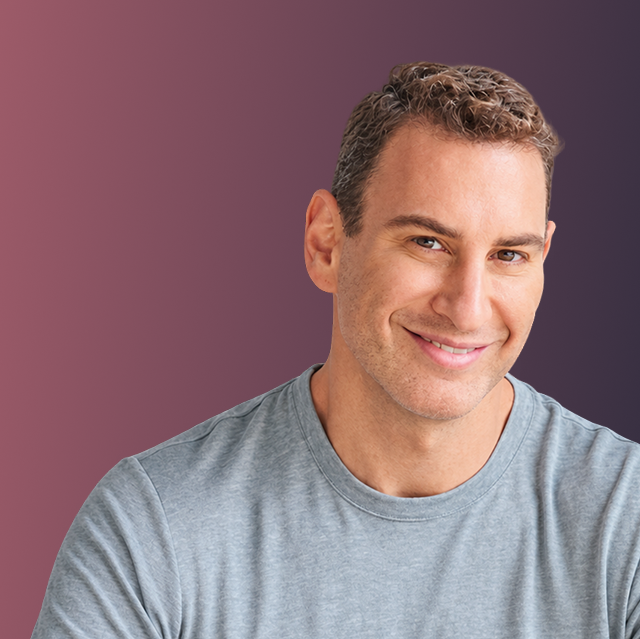
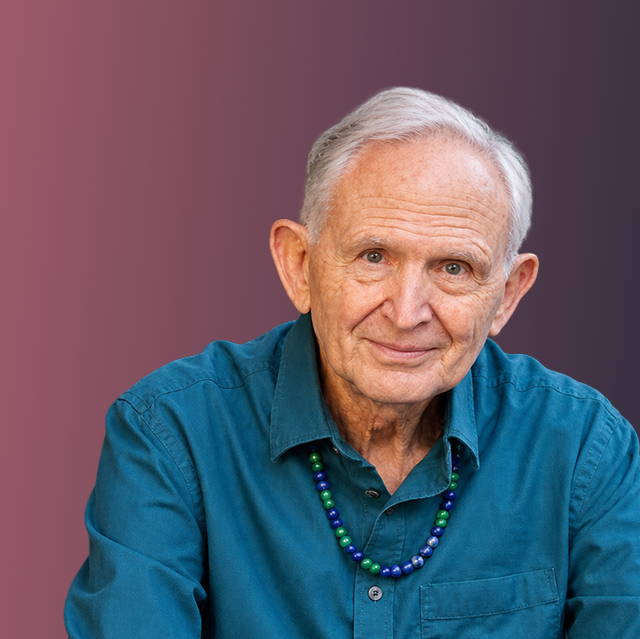
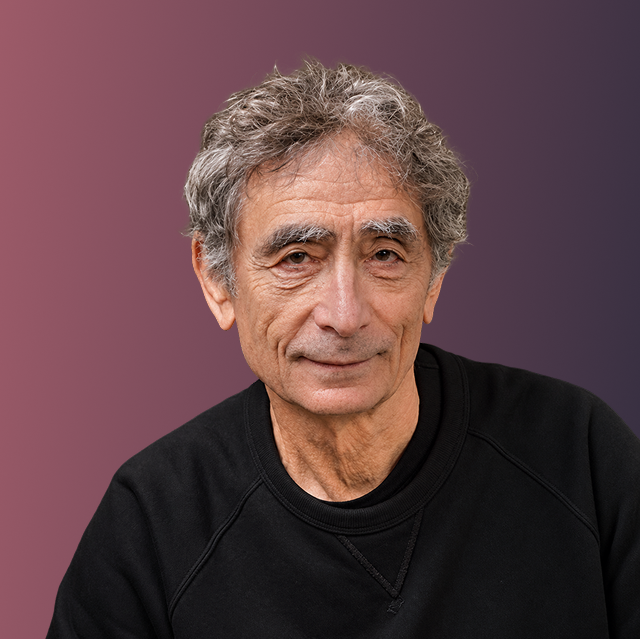
Learn from leading voices in attachment, trauma, neuroscience, somatics, and relational healing.
The program brings together world-renowned interdisciplinary faculty whose work has helped shape contemporary approaches to attachment, trauma, nervous-system regulation, embodiment, relationships, and healing.





The Somatic Attachment Map
Attachment patterns are layered through the body, our relationships, and the world we learned to survive in.
Somatic Attachment Therapy recognizes that attachment patterns don't exist in just one place. They take shape through our earliest experiences of connection and disconnection, the protective responses we develop, the ways our bodies organize around those experiences, and the beliefs, behaviors, and relational dynamics that emerge over time. These patterns are also shaped and reinforced by the larger cultural and social environments in which we live.
The Somatic Attachment Map explores eight interconnected layers through which attachment experiences become organized, embodied, protected, enacted, and reinforced. These layers continuously influence one another, shaping how we experience safety, connection, intimacy, and belonging.

- 08
Cultural & Social Context
The larger cultural and social context that both shapes our nervous system and affirms our patterns.
- 07
Confirmation Bias & Reinforcement
The mental filters and relational experiences that reinforce our existing beliefs, expectations, and attachment patterns.
- 06
Relational Dynamics
The patterns that emerge between ourselves and others—how we connect, protect, and repair.
- 05
Behaviors & Enactments
How our internal scripts and embodied patterns are expressed and unconsciously played out in relationships.
- 04
Beliefs & Internal Scripts
The beliefs, expectations, and internal narratives that shape how we experience ourselves, others, and relationships.
- 03
Somatic Patterns
How our experiences and adaptations become embodied through breath, posture, movement, sensation, perception, and nervous system organization.
- 02
Survival Responses & Adaptations
Protective responses organized around the original wounding, including automatic threat responses and learned strategies for survival.
- 01
Core Wound
The original attachment trauma and experiences of disconnection.
Healing doesn't always begin
at the core wound.
Each layer offers a different point of entry into the work. Sometimes healing begins by working with an automatic nervous system response. Other times, it involves exploring an internal belief, recognizing an unconscious relational enactment, or shifting an embodied pattern that has become familiar over a lifetime.
Throughout the certificate, you'll learn to recognize which layers are most active and how they influence one another, drawing from somatic, sensory, cognitive, emotional, parts-based, and relational approaches to support meaningful and lasting change.
The goal isn't simply to understand why an attachment pattern developed, but to create new possibilities for how we experience ourselves, inhabit our bodies, and connect with others.
Attachment Wounding Can Take Many Forms
Some of the experiences that shape attachment are easy to recognize. Others are much less visible.
Attachment is shaped through thousands of experiences of connection, protection, separation, attunement, misattunement, stress, loss, rupture, and repair. Wounding can emerge when the relationships and environments we depend upon cannot consistently provide the safety, responsiveness, or connection we need—and it can happen at many different points across a lifetime.
It may be shaped by early experiences of inconsistent attunement or co-regulation, overwhelming environments, relational rupture without sufficient repair, loss of someone we depend upon, disruptions to protective responses, and patterns carried through families and generations.
What develops in response can become deeply woven into adult life, showing up through the body, emotions, beliefs, behavior, and relationships.

In the Body
Attachment wounding may show up through chronic tension or bracing, constriction in the breath, numbness, disconnection from sensation, or difficulty settling in the presence of another person.

Emotionally
It may appear as anxiety, overwhelm, shame, anger, emotional flatness, difficulty receiving comfort, or difficulty identifying and expressing feelings and needs.

Internally
People may experience rumination, self-blame, low self-worth, dissociation, difficulty taking action, or a sense that parts of themselves have become inaccessible.

In Relationships
Attachment wounding can emerge through isolation, difficulty trusting, losing oneself in connection, avoiding intimacy, struggling with boundaries, becoming highly activated by distance or uncertainty, or repeatedly finding oneself in painful relational dynamics.

The Outcomes
What You’ll Learn to Work With
Throughout the certificate, you’ll learn how to recognize these patterns without reducing a person to an attachment style or a list of symptoms.
You will develop ways to:
-
Assess how attachment is organized in the present,
including what you can observe through physiology, sensation, movement, protective strategies, expectations, boundaries, and relational dynamics.
-
Recognize different pathways into attachment work,
so you can respond to what is actually happening rather than applying the same intervention to every attachment pattern.
-
Work with embodied patterns of protection
through regulation, resourcing, sensory and motor pathways, movement, and other bottom-up approaches.
-
Address beliefs, expectations, triggers, and relational strategies
through top-down approaches that help identify and interrupt familiar patterns as they arise.
-
Work with attachment grief, unmet needs, parts, and inner relationship
including the capacities involved in maintaining connection with oneself during attachment activation.
-
Bring attachment healing into relationship
through boundaries, reaching and receiving, vulnerability, intimacy, differentiation, conflict, relational experiments, rupture, and repair.
The aim is to give you a broader map for understanding what you’re seeing, where you might enter the work, and what may help create healing and greater capacity for connection and choice.
Who This Program is For
For practitioners, coaches, and people who want to understand and transform the ways attachment shapes their lives.
This program may be especially relevant to you if you work with people who:
- Long for connection but struggle when closeness becomes available
- Lose themselves in relationships or have difficulty receiving care and support
- Become overwhelmed by dependency, separation, rejection, or relational uncertainty
- Struggle with needs and boundaries, or repeatedly become caught in relational dynamics that are difficult to interrupt
- Carry attachment wounds that emerge through the body, nervous system, intimacy, conflict, rupture, and repair
For Professionals
The Somatic Attachment Therapy Certificate is designed for therapists, psychologists, counselors, social workers, somatic practitioners, coaches, bodyworkers, and other professionals working with attachment, developmental trauma, relationships, and the nervous system.
For Personal Exploration
You do not need to be a clinician or practitioner to participate. Many people take this program because attachment has personal meaning in their own lives and they want to explore their patterns, relationships, boundaries, needs, and capacity for connection as part of their own healing journey.
Live Online
Certificate Program
All sessions are held live online,
with recordings available
Program Details
Core Program Dates
Pre-Program Date Preview Events
Student Orientation
First Class (Phase 1, Mod 1)
Final Class / Integration (Phase 3, Mod 7)
Training Hours
Live Training Hours
Regular Live Program Modules
Community Connections
Special Events
Total Curriculum Hours
Sessions
Live Sessions
Student Orientation
Live Class Modules in Phase 1
Live Class Modules in Phase 2
Live Class Modules in Phase 3
Scheduled Live Community Connections
Recordings
Session Replays
Pre-Recorded Content
Frequently Asked Questions
Do I need previous attachment training?
No previous attachment training is required. The program begins with foundational attachment theory and progresses into embodied assessment, somatic interventions, and advanced relational practices. Whether you're new to attachment work or looking to deepen your existing knowledge, the curriculum is designed to expand your understanding and practical skills.
Who is eligible to participate?
The program is open to therapists, psychologists, counselors, social workers, somatic practitioners, coaches, bodyworkers, and other professionals interested in attachment and relational healing.
You do not need to be a licensed clinician to enroll. The program also welcomes individuals interested in understanding their own attachment patterns, relationships, and personal healing.
Do I need to attend every session live?
No. We understand that schedules vary, so you're welcome to attend sessions live, watch the recordings, or combine both approaches. You can complete the program at your own pace through your online learning library.
Will recordings be available?
Yes! All live sessions will be recorded and added to your online learning library, typically within 48 hours. You can revisit the teachings, review practices, and integrate what you've learned at a pace that works for you.
Are continuing education credits available?
For information about Continuing Education (CE) credits for this program, please complete our CE Interest Form.
Will Continuing Education hours (CEs) be offered?
Please submit your interest for CEs in this form after purchase: https://docs.google.com/forms/d/1Ymw_OL7rhpFP8tFDqfiv4dF1ejUow9ySP3w4GVFGSMI/viewform
What is required to receive the certificate?
To receive your Certificate of Completion, you'll need to complete the program curriculum by attending the live sessions or watching the recordings, fulfill any required program activities, and submit your certificate request.
The Certificate of Completion recognizes your participation in this educational training and does not constitute professional licensure.
How long will I have access to the program?
You'll receive lifetime access to the program recordings and learning materials through your online library. This means you can revisit the teachings, deepen your understanding, and return to specific practices long after the live program concludes.
What is the cancellation or refund policy?
We offer a Registration Guarantee, allowing you to request a full refund up to 48 hours before the program begins.
For the February 1, 2027 start date, refund requests must be submitted by January 30, 2027. After this deadline, all registrations are final and refunds are no longer available.
Somatic Attachment Therapy Certificate
Learn to work with attachment where it actually lives — in the body, nervous system, and relationships.
Enroll Now