The Body Keeps the Score: The Science of Trauma
Free Virtual Summit
Saturday, July 18, 2026
Six sessions. One day. The field's most trusted voices on trauma and the body.
Save Your Seat for Free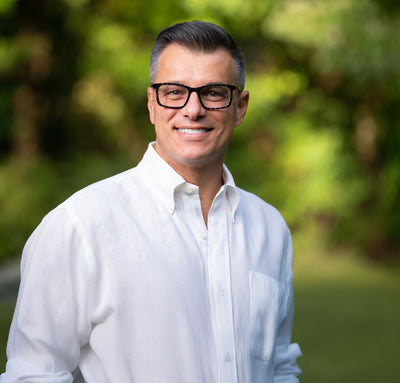
11:15 AM - 12:15 PM ET
Dr. Frank Anderson
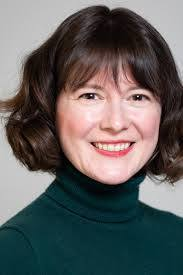
12:45 - 1:45 PM ET
Wendy D'Andrea
The Body of Evidence: Studies on Trauma-Related Alterations in Identity, Embodiment, and Physiology.
The consequences of trauma are often described in terms of their symptom-level manifestations. But behind the apparent suffering are changes to how our bodies and brains are put together. In this talk, Wendy will describe studies from her lab which demonstrate how tauma shifts our sense of self, from our beliefs about our worth to our ownership of our bodies, and will demonstrate the biological change that lead us to experience ourselves in these often-painful ways. These findings lay the groundwork for developing and tailoring intervention.
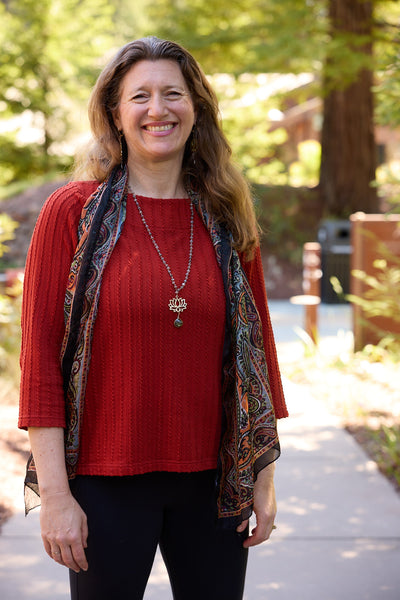
2:00 - 3:00 PM ET
Dr. Arielle Schwartz
Polyvagal Perspectives on Developmental Trauma, Complex PTSD, & Dissociation: An Integrative Mind-Body Approach to Care
Complex trauma occurs as a result of repeated or chronic exposure to threatening events from which escape is impossible. Within the context of developmental trauma, these events produce a unsolvable dilemma for the child who is caught between their biological drive for attachment and their survival based needs to escape a caregiver who is a source of threat. Individuals with Complex PTSD and early childhood developmental trauma are at greater risk for dissociation or emotional flooding; both of which can lead to re-traumatization if not handled well by treatment providers.
Within this talk, clinical psychologist and complex trauma treatment specialist, Dr. Arielle Schwartz, provides rationale for the value of polyvagal theory in the treatment of relational and attachment trauma.
Polyvagal theory allows us to address the physiological roots that underlie physical and mental health symptoms. You will come away with a depth of understand about how to compassionately work with the emotions, sensations, and psychophysiological arousal that typically arise with developmental trauma and dissociative states.
Within this talk, clinical psychologist and complex trauma treatment specialist, Dr. Arielle Schwartz, provides rationale for the value of polyvagal theory in the treatment of relational and attachment trauma.
Polyvagal theory allows us to address the physiological roots that underlie physical and mental health symptoms. You will come away with a depth of understand about how to compassionately work with the emotions, sensations, and psychophysiological arousal that typically arise with developmental trauma and dissociative states.
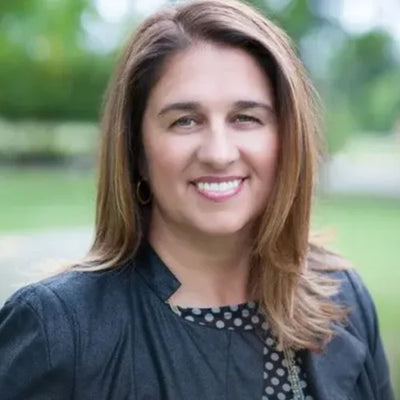
3:15 - 4:15 PM ET
Manuela Mischke-Reeds
The Therapist's Nervous System: The Science of Presence in Trauma Treatment
Growing evidence suggests that one of the most powerful mechanisms of change in trauma therapy is not only the intervention, but the therapist's embodied presence. Drawing from interpersonal neurobiology, attachment science, affective neuroscience, and somatic psychotherapy, this presentation examines how the therapist's nervous system influences safety, co-regulation, learning, and memory reconsolidation. Participants will explore how cultivating embodied presence, interoceptive awareness, and therapeutic flexibility enhances clinical effectiveness and supports lasting trauma integration.
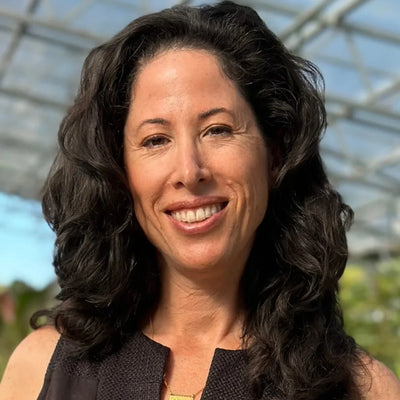
4:30 - 5:30 PM ET
BG Mancini
How the Brain-Gut-Sensory Axis Shapes Trauma, Reactivity, and Repair
This session maps how all of our many systems work together through the Brain-Gut-Sensory Axis, taking in input across our nine sensory channels and creating our experience moment-to-moment.
Shaped by our history and current physiological state, some of that input registers as MicroTraumas: everyday sensory, metabolic, and relational inputs that exceed available capacity and build reactivity over time.
We’ll explore evidence-based somatic tools that restore capacity in real time, so presence becomes possible, the past becomes easier to resolve, reserves rebuild, and we reconnect with purpose, joy, and the people and world around us.
Shaped by our history and current physiological state, some of that input registers as MicroTraumas: everyday sensory, metabolic, and relational inputs that exceed available capacity and build reactivity over time.
We’ll explore evidence-based somatic tools that restore capacity in real time, so presence becomes possible, the past becomes easier to resolve, reserves rebuild, and we reconnect with purpose, joy, and the people and world around us.
All times Eastern · Break 12:15 – 12:45 PM ET · Sessions stream live, replays for members only · Descriptions coming soon.
Reserve Your Free Seat
Live attendance is free. Replays available to members only.