Integrative Grief Counseling Certificate
A deeply embodied training in integrative grief counseling, where neuroscience, somatic practice, ritual, and relational healing weave together into a transformative approach that empowers practitioners to guide profound healing.
Featured In







Grief is not a problem to be solved. It is something to be witnessed, moved through, and carried together - in the body, and in community.
A map for grief that honours the whole person
About this Program
Most practitioners encounter grief daily: in their clients' stories of loss, in the spaces where people sit with what cannot be undone. And yet most clinical training leaves grief almost entirely unaddressed.
We're taught to normalize it. To refer out. To make space, but not to truly move through it with another person. We leave training knowing grief exists, but without the neuroscience, the somatic tools, or the philosophical grounding to actually meet it.
This program was built to close that gap. Completely and unflinchingly.
The Integrative Grief Counseling Certificate is a 12-module, 30-hour live training that builds a complete, embodied approach to integrative grief counseling. Led by Megan Devine, Dr. Kate Truitt, Dr. Scott Lyons, Dr. Albert Wong, Dr. Rachel Natvig, and Nkem Ndefo, this program weaves together applied neuroscience, somatic skills, therapeutic dialogue, ritual, and meaning-making into one coherent arc.
Sessions move with deliberate intention: establishing the paradigm shift in how we understand grief, building neurological and somatic fluency, developing clinical tools, and landing in sustainable, embodied practice. You won't leave with isolated techniques. You'll leave with a complete map.
Become the practitioner people trust in the hardest moments of their life
Enroll Now12 Sessions. One Deliberate Arc.
The Curriculum
From philosophical foundations through applied neuroscience, somatic skills, special populations, ritual, and integration — every session builds on the last, toward a complete embodied practice.
Foundations & Paradigm Shift
The Philosophy, Landscape & Taxonomy of Grief With Megan Devine & Dr. Scott Lyons
The Body Keeps the Grief Score: Neuroscience, the Brain & Grief Assessment With Dr. Kate Truitt
Foundations Part 1: Grief Dialogue Skills, The Therapeutic Relationship & the Pain/Suffering Framework With Dr. Albert Wong & Megan Devine
Foundations Part 2: Somatic Grief Work, Co-Regulation & Building the Skills To Ride The Waves of Grief With Dr. Scott Lyons & Dr. Albert Wong
Deepening Clinical Skills
Harnessing Neuroplasticity to Support Grief Integration With Dr. Kate Truitt
Somatic & Narrative Grief Processing: Body, Story & Yearning With Dr. Scott Lyons & Dr. Kate Truitt
Attachment, Temporal Bridging, and Advanced Grief Dialogue Practices With Dr. Scott Lyons & Dr. Albert Wong
Rituals, Ceremony & Creating Containers for Grief With Dr. Rachel Natvig
Integration & Sustainable Practice
Meaning, Learning, Existential & Temporal Integration With Dr. Kate Truitt
Special Populations, Complex Loss, Survivor's Guilt & Ambiguous Loss With Megan Devine & Dr. Kate Truitt
Collective, Ancestral & Intergenerational Grief With Megan Devine & Nkem Ndefo
The Arc of the Process, Integration, Psychedelics & Sustainable Practice With All Faculty
Watch the Preview Event Replay
Taught by leaders in their fields
Meet the Faculty
Six faculty. Six distinct and deeply complementary lineages.
One coherent, co-created curriculum; not a summit, but a sustained collaboration.
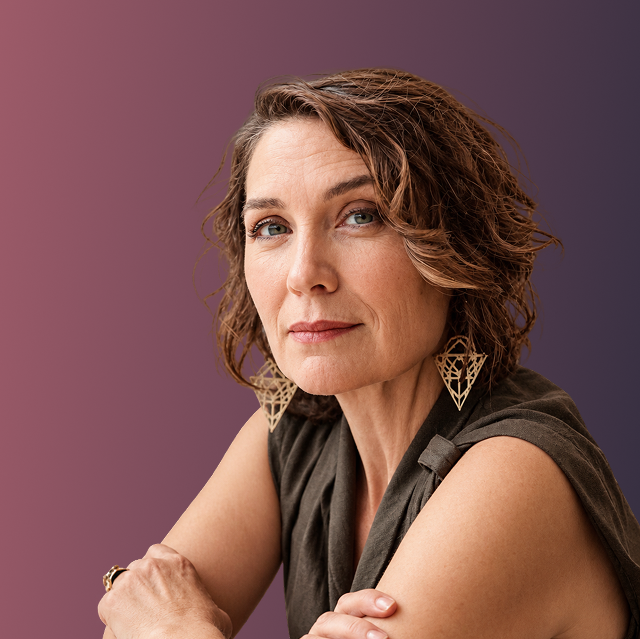
Megan Devine
Grief Advocate, Therapist & Author of It's OK That You're Not OK Leads the program's philosophical foundations, grief language, therapeutic dialogue, and clinical work with complex and disenfranchised loss, including suicide, reproductive grief, and violent death.
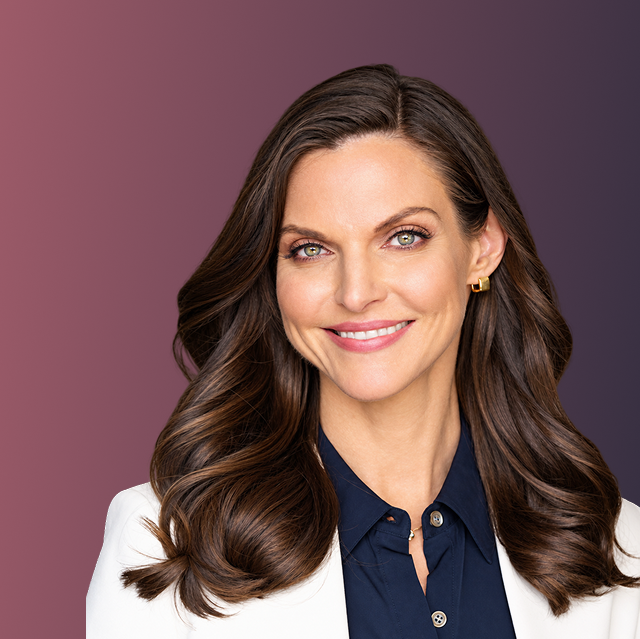
Dr. Kate Truitt
Clinical Psychologist, Neuroscientist & Author Brings the program's neuroscience backbone through her NeuroTriad Model, Brain Partnership framework, and CASE pathways, translating brain science into compassionate clinical tools for grief practitioners.
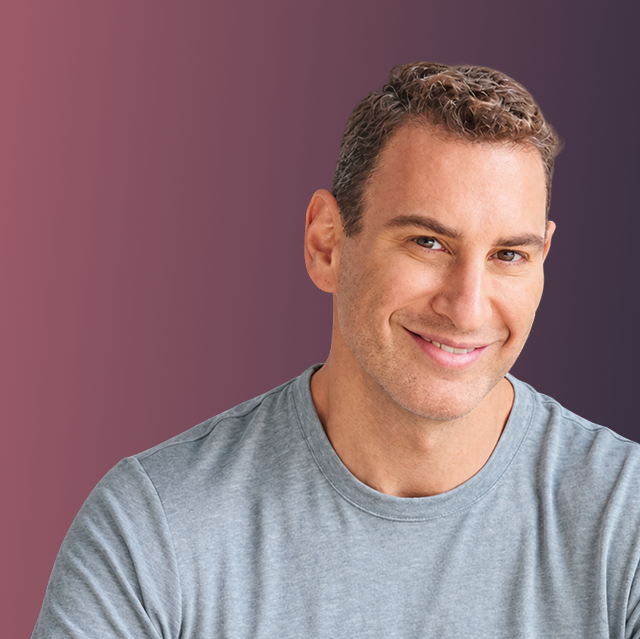
Dr. Scott Lyons
Psychologist, Somatic Therapist & Founder of The Embody Lab Anchors somatic practice throughout, teaching pendulation, titration, the physiology of grief, attachment through a body-centered lens, and the complete arc of a somatic grief counseling session.
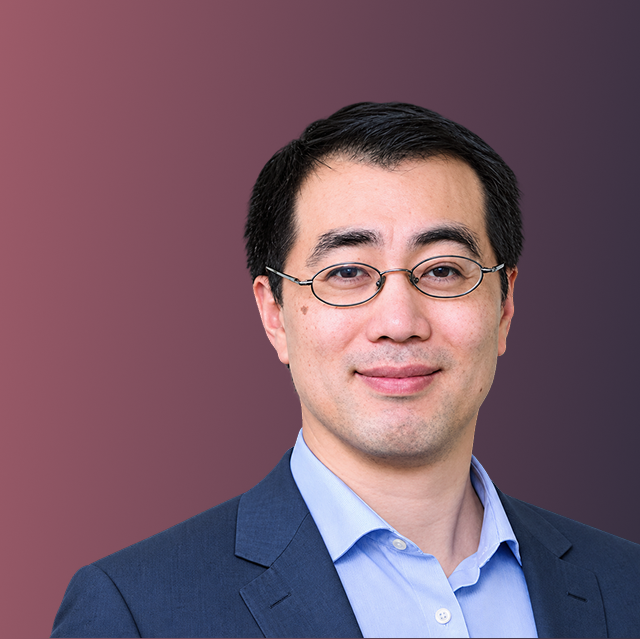
Dr. Albert Wong
Somatic Therapist & Relational Dialogue Practitioner Teaches therapeutic dialogue, the therapeutic container, felt sense work, co-regulation, and the relational-attachment dimensions of grief, bringing a uniquely warm, embodied precision to clinical practice.
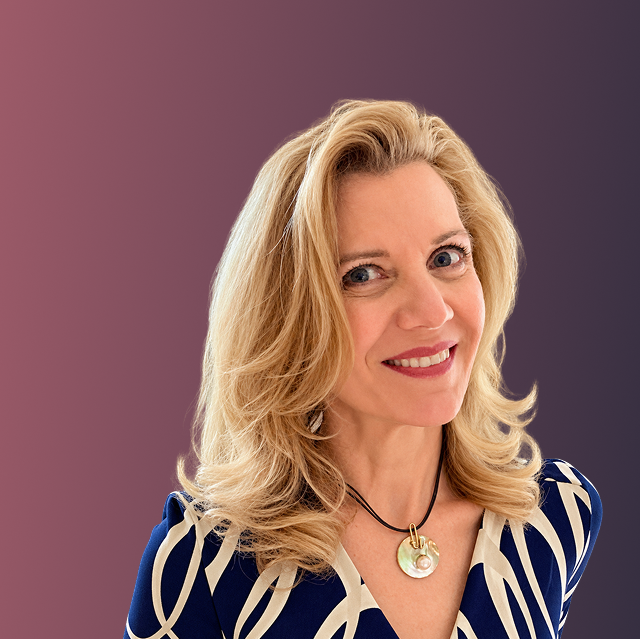
Dr. Rachel Natvig
Ritual Practitioner & Grief Ceremony Specialist Leads the session on ritual, ceremony, and creating containers for grief, teaching practitioners how to co-create personalized, client-centered ritual as a clinical and somatic tool for grief integration.
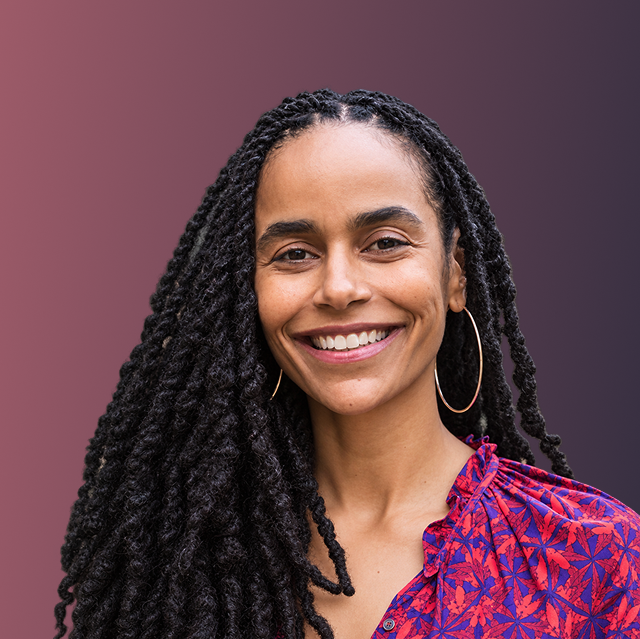
Nkem Ndefo
Somatic Abolitionist Practitioner & Community Healer Brings a somatic abolitionist lens to collective, ancestral, and intergenerational grief, centering liberation, community healing, and the embodied inheritance we carry from our lineages.

Why This Program?
There are many trainings that mention grief. Few are built entirely around it with the depth, the neuroscience, and the somatic grounding to truly prepare practitioners to meet it.
Built on a paradigm shift, not just new tools
This program begins by dismantling the cultural myths and clinical misunderstandings about grief, then rebuilds from a humanistic, somatic foundation. You won't just learn techniques; you'll be changed in how you see grief itself.
Neuroscience-informed throughout
Dr. Kate Truitt's Brain Partnership model and NeuroTriad framework thread through the program, giving practitioners (and their clients) language for what is happening neurologically in grief. Understanding the grieving brain dissolves shame and restores agency.
Somatic from the ground up
Grief lives in the body before language can reach it. Somatic skills (titration, pendulation, felt sense work, co-regulation) are the primary clinical language here, not add-ons.
A complete arc, not a collection of modules
Every session is designed in deliberate sequence: paradigm → neuroscience → somatic foundations → special populations → ritual → integration. Faculty are in dialogue with each other across the program. Each module builds on the last.
Rare faculty, taught together
Six faculty. Six distinct and deeply complementary lineages. This is not a summit format — these are colleagues co-creating a single coherent curriculum with care and intention.
Honors the full landscape of loss
Death, yes, but also ambiguous loss, reproductive grief, suicide loss, collective and ancestral grief, intergenerational trauma, and the grief practitioners carry themselves.
"Grief is not linear. It is not a single wound. It moves through the body, the brain, creative expression, our relationships, and our sense of meaning — often all at once."
Enroll NowClinical Framework
The Five Pathways to Grief Healing
Skilled practitioners learn to recognize which pathway a client is working in, how to meet them there, and move between them. Grief rarely stays in one lane.
Integrative Grief Work
An embodied, relational, creative and neuroscience-informed approach to healing.
Somatic Pathway
Grief lives in the body before language can reach it.
The nervous system encodes loss as physical reality: heaviness, contraction, numbness, the visceral absence of the person. Somatic grief work accesses and moves grief through sensation, breath, movement, and embodied presence.
Neuroscience Pathway
Understanding the grieving brain restores agency.
The NeuroTriad Model and iCASE framework give practitioners and clients language for what is happening neurologically, dissolving shame and building partnership with the brain as it adapts to loss.
Creative & Ritual Pathway
Grief needs a container, a shape, and a place to live.
Grief has been metabolized through ceremony, art, and ritual for as long as humans have mourned. This pathway accesses healing through intentional symbolic action, expressive arts, and crafted ceremony.
Relational Attachment Pathway
We grieve in the same patterns we learned to love.
Loss activates our deepest attachment blueprints. Healing happens in and through relationship — with the practitioner, the deceased, and the community.
Learning & Integration Pathway
Meaning is not found; it is made, slowly, in the living.
Grief ultimately asks us to reorganize identity and worldview around the permanent reality of loss. Integration is not closure; it is learning to carry the loss differently, and discovering we are changed by it.
Built for practitioners ready to meet grief fully.
Who Is This For?
If you encounter grief in your work, even occasionally, this program will change how you understand it, how you sit with it, and how you guide clients through it.
You do not need to specialize in grief to be transformed by this training.
Therapists, psychologists, counselors, and social workers who want a deeper clinical framework for grief work
Somatic practitioners seeking the neuroscience and dialogue tools to deepen their grief practice
Coaches, chaplains, and spiritual care providers who sit with loss and need greater clinical fluency
Bodyworkers, yoga therapists, and movement practitioners working with people carrying grief in their bodies
Practitioners who work with trauma and want to extend their skills into grief: a closely related but distinct territory
Any helping professional who feels underprepared when grief enters their work

The Outcomes
What you'll be able to do
- Navigate the full landscape of grief from acute loss to ambiguous, ancestral, and collective grief
- Track and work with grief at the level of the body; somatically, skillfully, without overwhelm
- Understand what the grieving brain is doing and use that understanding clinically
- Use language that honors pain rather than minimizing or prematurely resolving it
- Hold the therapeutic container through intense grief activation, dissociation, and shutdown
- Support clients through the most complex loss presentations: suicide, ambiguous loss, survivor's guilt, and collective grief
- Co-create ritual and ceremony as a clinical tool for grief integration
- Know which of the five pathways a client is working in and how to move between them
- Sustain yourself as a practitioner across a career of sitting with loss
Live, Online via Zoom
Tuesdays from 5:00-7:30PM ET
Thursdays from 2:00-4:30PM ET
12 Sessions
November 3 - December 17, 2026
Lifetime Access
To all recordings
Certificate
Upon program completion
Program Pricing
Member Price
Non-Member Price
Frequently Asked Questions
What are the dates, schedule, and time commitment for the Grief Counseling Certificate?
This 30-hour certificate program runs live from November 3rd to December 17th, 2026, and includes 12 modules offered over 7 weeks (with a break the week of November 24th for Thanksgiving). Classes are held on Tuesdays and Thursdays.
All live sessions are recorded so students can watch in their own time. Here is the schedule:
WEEKLY CLASSES
- Tue Nov 3 — 5–7:30pm ET
- Thu Nov 5 — 2–4:30pm ET
- Tue Nov 10 — 5–7:30pm ET
- Thu Nov 12 — 2–4:30pm ET
- Tue Nov 17 — 5–7:30pm ET
- Thu Nov 19 — 2–4:30pm ET
- Tue Dec 1 — 5–7:30pm ET
- Thu Dec 3 — 2–4:30pm ET
- Tue Dec 8 — 5–7:30pm ET
- Thu Dec 10 — 2–4:30pm ET
- Tue Dec 15 — 5–7:30pm ET
- Thu Dec 17 — 2–4:30pm ET
Who is this program designed for?
This program is designed for therapists, psychologists, counselors, social workers, somatic practitioners, coaches, chaplains and spiritual care providers, bodyworkers, yoga therapists, movement practitioners, trauma practitioners, hospice and palliative care professionals, grief support group facilitators, and any helping professional who works with loss and wants greater clinical fluency.
This is an education program and not a licensure program.
How can I interact with the instructors? Will I receive guidance?
During each of the live sessions, the instructors will have a Q&A period where you may ask questions. A private online community forum will be provided for the certificate.
Do you offer refunds?
We offer a Registration Guarantee which means that if you register but decide the course isn't right for you, we'll refund your course fee — no questions asked — up to 48 hours before the course start date.
How can I access the online course and recordings?
Once you register, you'll receive access to our online learning platform, including detailed schedules, instructions for joining live sessions via Zoom, recordings uploaded within 48 hours of each live session, and supporting materials from your instructors. You'll have lifetime access to the content, and can watch online or download video/audio. Live captioning and English transcripts are provided.
Is this a summit?
No. This is an integrated curriculum co-created by the faculty — six colleagues building one coherent, sequenced arc (paradigm → neuroscience → somatic foundations → special populations → ritual → integration), not a series of standalone talks.
Is this a theoretical or practical (experiential) program?
While grounded in neuroscience and clinical frameworks, the primary focus is experiential — giving practitioners hands-on somatic and relational tools they can use immediately.
Will I receive a certificate?
You'll receive a certificate of completion once you have completed attending the live sessions or watching the recordings, and full payment has been received.
Will Continuing Education hours (CEs) be offered?
In support of improving patient care, this activity has been planned and implemented by The Embody Lab and Pinnacle Conference, LLC. Pinnacle Conference, LLC is jointly accredited by the Accreditation Council for Continuing Medical Education (ACCME), the Accreditation Council for Pharmacy Education (ACPE), and the American Nurses Credentialing Center (ANCC) to provide continuing education for the healthcare team.
Approved CE Accreditation Categories
This activity is accredited for 12.5 CE hours, as applicable to the individual program, with the following institutions:
- Accreditation Council for Continuing Medical Education, AMA PRA Category 1™
- Accreditation Council for Pharmacy Education, ACPE CPE
- American Nurses Credentialing Center, ANCC NCPD (CNE)
- American Academy of PAs, AAPA Category 1
- American Psychological Association, APA CE
- Association of Social Work Boards, ASWB-ACE
- Commission on Dietetic Registration, CDR CPE
- Board of Certification for the Athletic Trainer, BOC CEUs
Fill out this form to apply for CEs: https://docs.google.com/forms/d/1Ymw_OL7rhpFP8tFDqfiv4dF1ejUow9ySP3w4GVFGSMI/viewform
From a different state or country?
Health professionals from any state or country need to check with their licensing boards as to whether or not they accept continuing education accredited by Pinnacle Conference, LLC under the accreditation categories listed above.
Different credential?
If your credential is not listed in the accreditation categories above, please check with your licensing board as to whether or not they accept continuing education accredited by Pinnacle Conference, LLC.
Pinnacle Conference, LLC and The Embody Lab are not able to determine your eligibility.
Are there scholarship opportunities for the Grief Counseling Certificate?
The scholarship application is due by 11:59pm ET on Monday, October 12, 2026.
Scholarship results will be communicated by end of day Tuesday, October 20, 2026.
For every 200 enrolled students, we are able to offer:
- 10 Full Scholarships (100%)
- 10 Partial Scholarships (50%)