The Replay

From Insecure Attachment to Secure Connection

About the Event

Healing Attachment Trauma Can Change How We Experience Love, Safety & Connection

Our earliest relationships shape how we experience ourselves, others, and the world around us. When those experiences involve abandonment, inconsistency, rejection, or emotional disconnection, their influence can reach into nearly every part of our lives.

Shame can become woven into our sense of who we are. We may learn to fawn or people-please to preserve connection, silence our needs to avoid rejection, or confuse emotional intensity with intimacy because uncertainty and longing have become so familiar. These patterns can shape the relationships we choose, the treatment we accept, the boundaries we struggle to maintain, and how much of ourselves we feel safe bringing into connection.

What You'll Explore

What You'll Explore
in This Free Event

Join three leading experts to explore the deeper dimensions of attachment trauma and approaches that can help shift patterns of insecurity, protection, and disconnection.

The Pattern

Why attachment patterns can be so difficult to change

How early relational wounds, nervous-system responses, and deeply held beliefs interact to sustain anxious, avoidant, and other protective attachment patterns.

The Overlooked

What may be overlooked in attachment healing

The role of shame, fawning, people-pleasing, and confusing emotional intensity with intimacy, and why these patterns matter in therapeutic work.

The Biology

The nervous system and biology of connection

How physiological responses to safety, separation, bonding, and relational threat influence our capacity to trust and experience closeness.

The Pathway

Pathways toward greater attachment security

How somatic approaches, attunement, co-regulation, and new relational experiences can support attachment repair and more secure ways of relating.

Meet Your Speakers

Learn From Three Leading Experts in Trauma & Attachment Healing

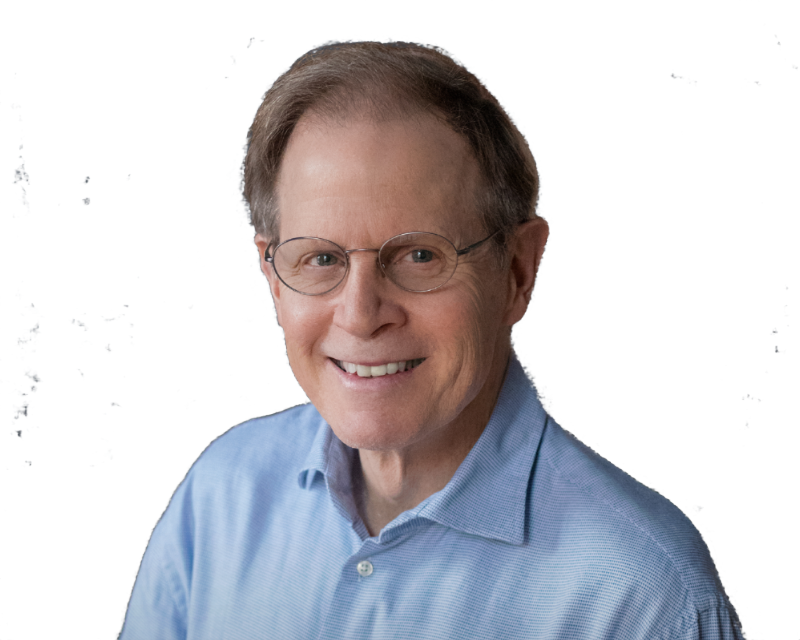
Dr. Diane Poole Heller

Dr. Diane Poole Heller

Attachment Repair & Earned Security

Diane Poole Heller, Ph.D., is an internationally recognized speaker, author, and expert in attachment theory and trauma resolution. Her signature approach, DARe (Dynamic Attachment Re-patterning experience), gives therapists and individuals practical skills for healing attachment and trauma wounds, supporting greater intimacy, wholeness, and more fulfilling relationships.
Read Full Bio
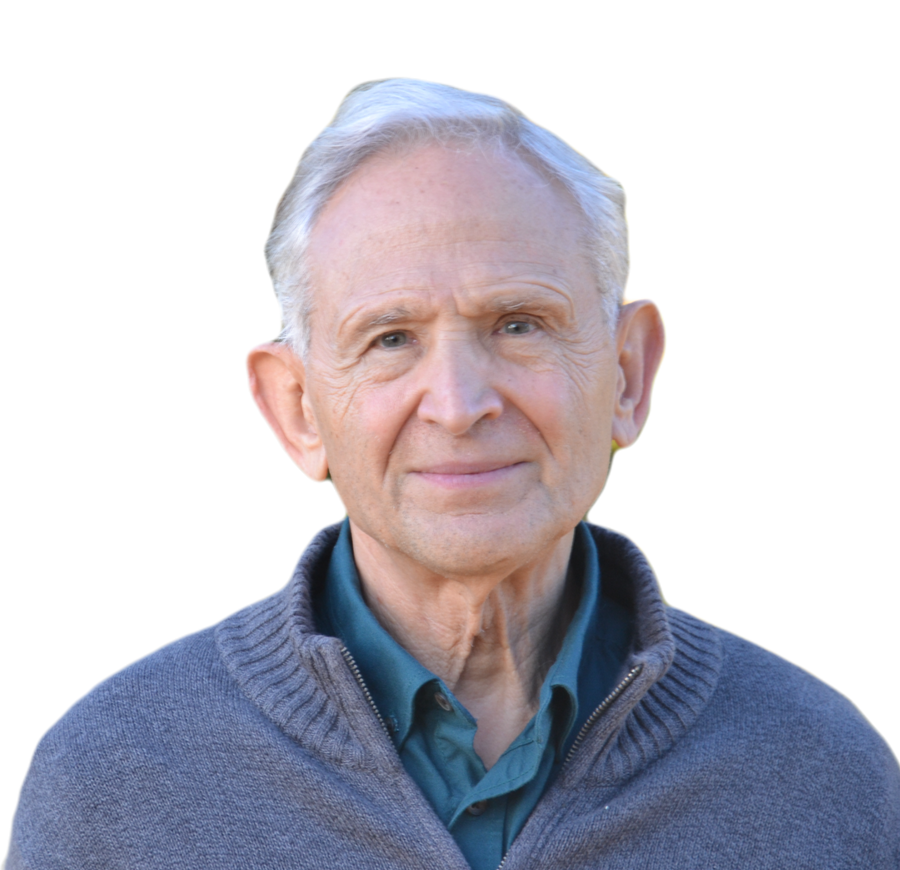
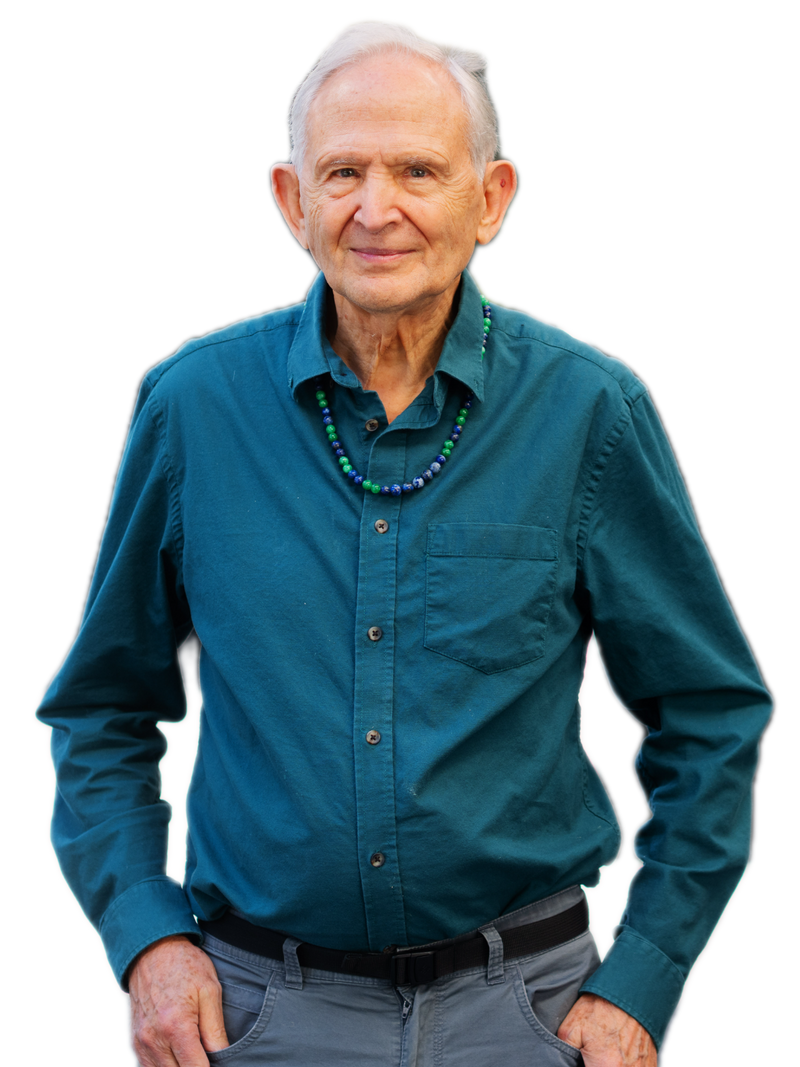
Dr. Peter Levine

Dr. Peter Levine

Trauma, Protection & the Body

Peter A. Levine, Ph.D., is the developer of Somatic Experiencing® (SE™), a naturalistic and neurobiological approach to healing trauma developed over 50 years and taught to over 30,000 healers in 42+ countries. He is the author of several best-selling books, including Waking the Tiger and In an Unspoken Voice, and has received multiple Lifetime Achievement awards for his groundbreaking work.

Read Full Bio
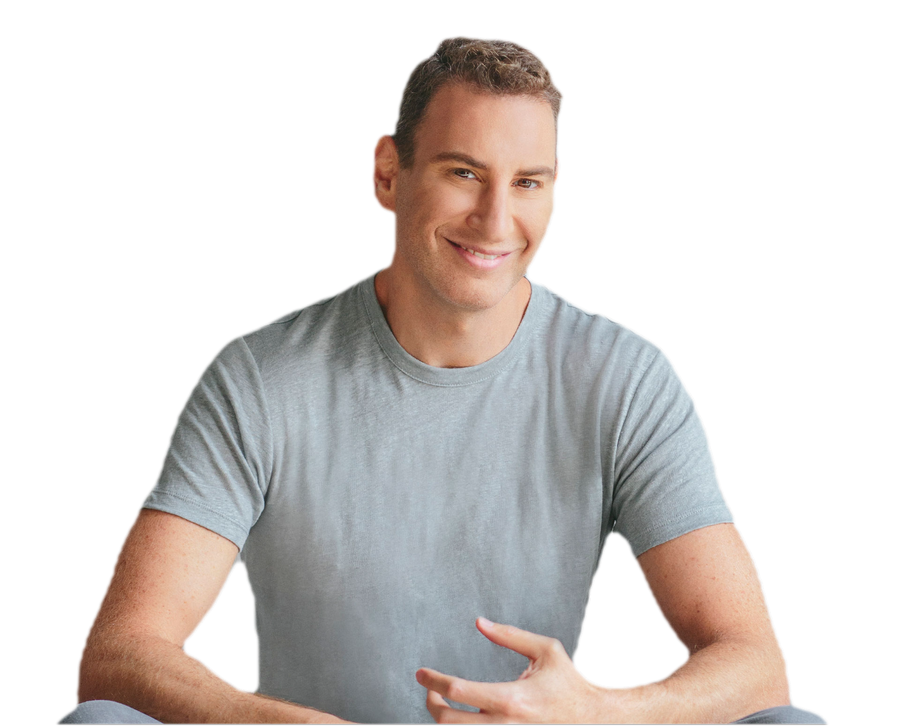
Dr. Scott Lyons

Dr. Scott Lyons

Somatic Psychology & Relational Healing

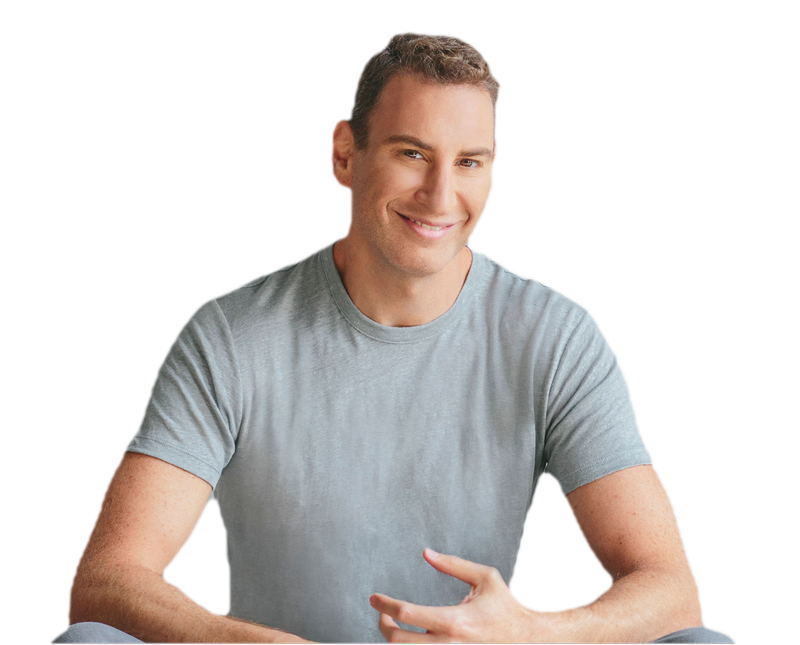
Dr. Scott Lyons is a licensed holistic psychologist, body-based trauma expert, and author of Addicted to Drama. He is the creator of The Embody Lab and developer of Somatic Stress Release™, and has taught over half a million people internationally. Scott has been featured in The New York Times, Forbes, and The Guardian, and hosts The Gently Used Human Podcast.

Read Full Bio
Who It's For

Who Is This Event For?

This free event is designed for helping professionals who want to deepen their understanding of attachment trauma and explore more integrated approaches to healing.

TherapistsPsychologistsCounselorsSocial WorkersSomatic PractitionersCoachesWellness PractitionersHealthcare ProfessionalsHelping Professionals

It's also for anyone seeking to better understand their own attachment history, shift painful relationship patterns, and develop a greater capacity for trust, intimacy, and secure connection.

No previous training in attachment theory or somatic therapy is required to attend.

FAQ

Frequently Asked Questions

Is this event free?

Yes. This live online event with Dr. Peter Levine, Dr. Diane Poole Heller, and Dr. Scott Lyons is completely free to attend.

When is the event?

Wednesday, November 4, 2026, from 2:00–3:00 PM Eastern Time. The event will take place online.

Will there be a replay?

Yes. Register for free to receive access to the event replay, even if you can't attend live.

Who is this event for?

The event is especially relevant for therapists, psychologists, counselors, social workers, somatic practitioners, coaches, wellness practitioners, healthcare professionals, and other helping professionals interested in attachment trauma and relational healing. Anyone exploring attachment patterns in their own life is also welcome.

Do I need to understand attachment theory to attend?

No. The event is designed to be accessible to anyone interested in relationships and healing, while offering meaningful perspectives for experienced practitioners.

Will the event explore different attachment styles?

Yes. Attachment styles provide an important starting point, but the event will go beyond labels to explore how attachment patterns develop, how they appear in our relationships and bodies, and what may support change.

Will I learn more about the Somatic Attachment Therapy Certificate?

Yes. The event is a standalone educational experience, and practitioners interested in exploring these approaches further will have an opportunity to learn more about The Embody Lab's Somatic Attachment Therapy Certificate.

Want to Take This Further?

Somatic Attachment Therapy Certificate

The Somatic Attachment Therapy Certificate integrates contemporary attachment science, developmental trauma, neuroscience, somatic therapy, and relational practice, giving you a wider range of ways to work with the patterns that shape how people connect, protect themselves, and experience relationship.

Learn About the Certificate
Certificate Faculty
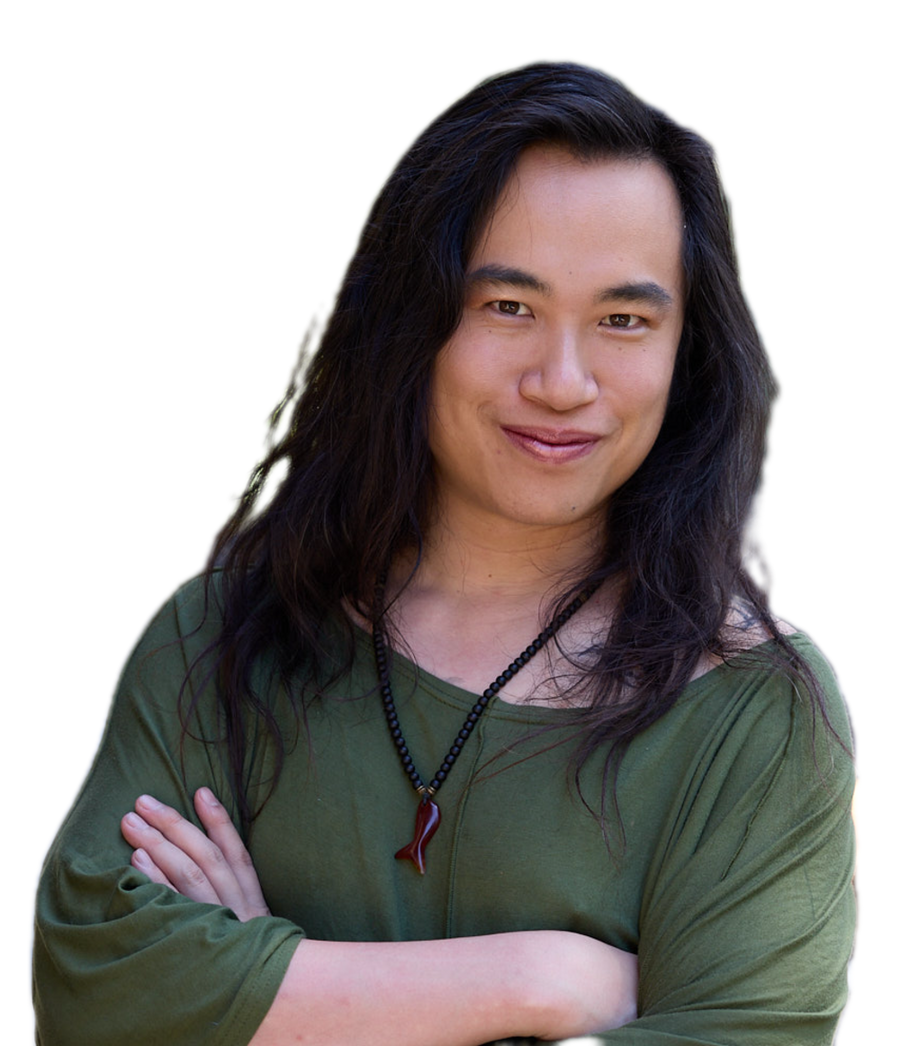
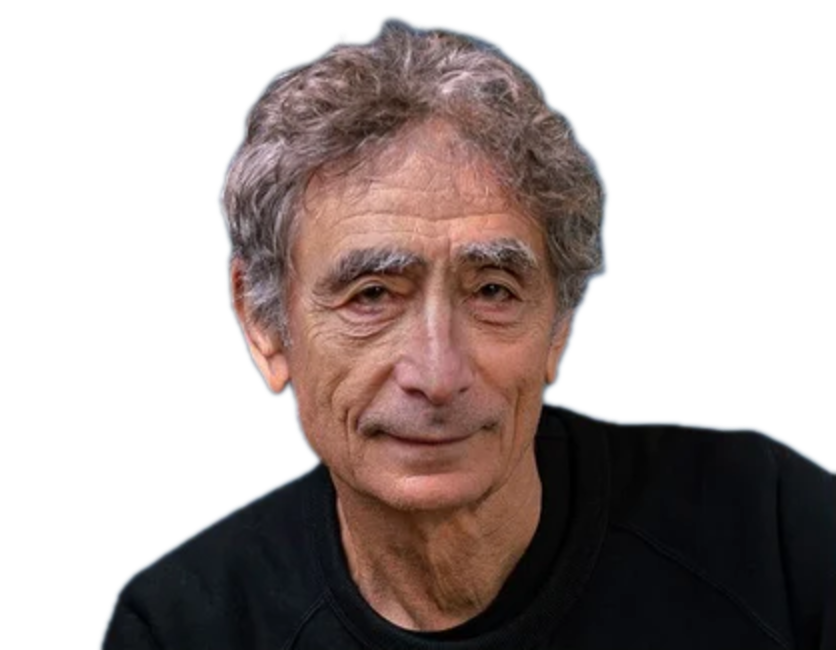
Dr. Peter LevineKai Cheng ThomDr. Scott LyonsDr. Gabor MatéDr. Dan Siegel
…and more