NEW CERTIFICATE PROGRAM
Applied Neuroscience for Trauma Healing

Trauma is a sensory fragmentation.
Learn to read adaptation with precision, system by system, network by network.
FORMAT
HOURS
3 Live Weekends
18 Sessions
Format
Live online via Zoom
Sessions
18 live sessions across
Faculty
6 Leading Experts
CEUs
Available
Traumatic experiences are insults to the eight sensory systems of the brain , vision, hearing, touch, smell, taste, balance, proprioception, and interoception.
Each insult alters how sensory information travels through the brain, shapes perception, and drives behavior long after the threat has passed.
Most clinical training tells you trauma lives in the body. This program teaches you exactly where, exactly why, and exactly what to do about it.
SYSTEM BY SYSTEM, NETWORK BY NETWORK.
Why This Training
Most trainings give you tools. Few give you the map.
QUESTIONS PRACTITIONERS CARRY INTO SESSION:


Trauma fragments us.
Into bodies that brace, freeze, or shut down. Into sensory systems that can't distinguish past threat from present safety. Into brain networks that stay stuck in patterns of protection long after the original danger has passed.
When the survival brain detects threat, structures respond within milliseconds. They trigger fight, flight, freeze, and shutdown without ever recruiting the reflective cortex. In the aftermath of trauma, they remain primed. This state of chronic threat has a name: sensory disintegration.
This certificate offers a comprehensive neuroscience framework that explains why trauma affects the brain and body the way it does and translates that science directly into practice. Understanding precisely how the brain adapts is what transforms a skilled practitioner into a truly effective one.

The Integration
Somatic, affective, and narrative, lasting clinical change requires all three.
About This Program
This certificate program offers a deeply integrated exploration of how trauma reorganizes the brain, body, and sensory self, and how practitioners can work skillfully with that reorganization.
The integration is threefold: somatic, affective, and narrative. The primary focus is experiential, connecting rigorous theory to felt experience and clinical application.
Weekends
Sessions
Access
What Makes This Certificate Different
More than tools. A framework.
Most trainings either teach you theory or techniques. This certificate is designed to help you master both, while also developing the discernment to know when and how to apply them.
The eight sensory systems as your clinical map
Trauma doesn't live in the abstract. It lives in specific sensory processing pathways that feed into distinct neural networks.
The SAN Protocol, a clinical framework for intervention
A navigational system that assesses sensory and autonomic organization and guides your treatment sequencing.

The body–brain–gut connection
This program extends into the endocrine–immune–autonomic axis, showing how chronic pain, inflammation, and immune dysregulation are embedded in trauma.
Somatic, affective, and narrative integration, not just one
Trauma is stored in the body, felt in the emotional system, and made sense of through story. Durable healing requires all three layers.
Brain networks, not just brain regions
You'll learn to see fragmentation at the network level (salience, default mode, central executive), not just the symptom level.
Faculty who work at the frontier of this field
Your teachers are contributing original clinical frameworks to this program. This is what current, integrated applied neuroscience looks like in practice.
A clinical Sensory Profile for each client
This anchoring tool assesses each client's unique pattern of sensory over- and under-responsiveness across all eight systems, telling you exactly where to begin.
The Program Arc
Three weekends. Eighteen sessions. One integrated framework.
The curriculum is organized into three progressive arcs, each weekend building on the last, each culminating in applied clinical practice. All sessions are recorded and available in your online library within 48 hours.
WEEKEND 1 THE TRAUMATIZED BRAIN, NETWORKS, FRAGMENTATION, AND MEMORY How does trauma actually reorganize the brain? This weekend maps it precisely, across the neural networks, the sensory self, the memory and affect systems, and the dissociative spectrum. You'll understand why the survival brain bypasses the reflective cortex, why sensory disintegration unfolds, and how Panksepp's primal emotional circuits shape awareness.
SESSIONS INCLUDED
Foundations: The Traumatized Brain, Body, and Sensory Self
WITH Dr. Arielle Schwartz, Dr. Kate Truitt & Dr. Scott Lyons
The Mapping of Fragmentation
WITH Dr. Scott Lyons
The Salience Network, Dopaminergic Pathways, and Threat Detection
WITH Dr. Kate Truitt
The Default Mode Network, Narrative Self, and Shame
WITH Dr. Scott Lyons
Memory, Emotional Systems, and Affect Circuits
WITH Dr. Arielle Schwartz
The Dissociative Subtype and Altered States of Consciousness
WITH Dr. Arielle Schwartz
WEEKEND 2 REBUILDING THE SENSORY SYSTEM Trauma is a sensory fragmentation, and healing means restoring what was disrupted. This weekend moves through the eight sensory pathways one by one: the vestibular system's role in proprioceptive maps, touch and attachment, interoception, vision's dual capacity, and the gut–brain axis. Leave with a sensory map to rebuild from the ground up.
SESSIONS INCLUDED
Lorem ipsum dolor sit amet consectetur
WITH Dr. Lorem Ipsum
Adipiscing elit sed do eiusmod tempor
WITH Dr. Lorem Ipsum
Incididunt ut labore et dolore magna
WITH Dr. Lorem Ipsum & Dr. Dolor Sit
Aliqua ut enim ad minim veniam
WITH Dr. Lorem Ipsum
Quis nostrud exercitation ullamco
WITH Dr. Dolor Sit
Laboris nisi ut aliquip ex ea commodo
WITH Dr. Lorem Ipsum & Dr. Dolor Sit
WEEKEND 3 INTEGRATIVE SOMATICS AND APPLIED NEUROSCIENCE This is where neuroscience becomes somatic practice. The final weekend synthesizes everything into the SAN and SANS clinical protocols. Move fluidly between bottom-up sensory intervention and top-down narrative processing. The SANS Protocol addresses pattern recognition, narrative processing, and memory reconsolidation. Leave with a clinical framework to apply immediately.
SESSIONS INCLUDED
Duis aute irure dolor in reprehenderit
WITH Dr. Lorem Ipsum
Voluptate velit esse cillum dolore
WITH Dr. Dolor Sit
Eu fugiat nulla pariatur excepteur
WITH Dr. Lorem Ipsum & Dr. Dolor Sit
Sint occaecat cupidatat non proident
WITH Dr. Lorem Ipsum
Sunt in culpa qui officia deserunt
WITH Dr. Dolor Sit
Mollit anim id est laborum finale
WITH Dr. Lorem Ipsum & Dr. Dolor Sit
You'll Learn To
These aren't abstract competencies, they're the specific clinical capacities you'll carry into your next session.
Map sensory fragmentation with precision
Build a complete Sensory Profile for each client, identifying which of the eight sensory systems is over-responsive, under-responsive, or dysregulated.
Read neural networks, not just symptoms
Identify which brain networks are driving your client's presentation and understand what restoring communication requires.
Apply the SAN Protocol in session
Use the Somatic Applied Neuroscience framework to assess sensory and autonomic organization and sequence your interventions.
Work with memory at the physiological level
Understand how traumatic memories are relived rather than remembered, and how memory reconsolidation creates lasting change.
Integrate the body–brain–gut connection
Bring the endocrine–immune–autonomic axis and the gut–brain relationship into your clinical understanding.
Navigate dissociation with confidence
Distinguish between dissociative subtypes based on their neurobiological signatures and develop tailored clinical responses.
Track vestibular and proprioceptive patterns
Understand how disruption affects arousal, balance, and felt safety, restoring grounded embodiment.
Use prosody, sound, and touch as clinical tools
Apply voice, rhythm, and touch as direct routes into the sensory and affective networks that trauma disrupts.
The Science + The Somatics
Where neuroscience meets clinical practice. Every scientific framework is connected to what it means for the practitioner in the room.
Sensory hierarchies and neural networks
Tracking exactly where in the hierarchy a client's experience is being processed.
Predictive processing and trauma memory
Understanding how the survival brain anticipates unsafe sensory input at a preconscious level.
Sensory hierarchies and neural networks
Tracing the link between stress physiology, immune function, and chronic pain as essential clinical knowledge.
Affect circuits and emotional memory systems
Understanding Panksepp's seven primal emotional circuits that shape what reaches conscious awareness.
The sensory profile as assessment
Building a detailed map of patterns of hyper- and hypo-responsiveness to guide your approach.
The SAN/SANS protocol
A navigational system guiding the sequencing of somatic, affective, and narrative interventions.
Interoception and the felt sense of aliveness
Creating pathways back to felt presence for clients who report feeling emotionally numb or disconnected.
Embodied prosody, movement, and sound
Using voice, rhythm, and movement as primary, direct-access therapeutic tools.
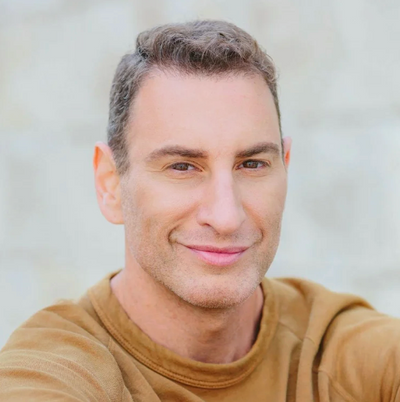
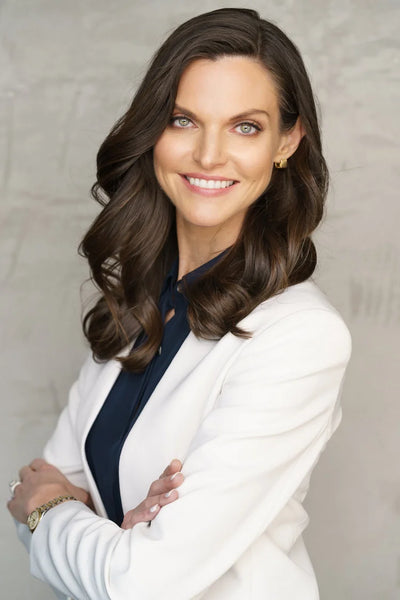
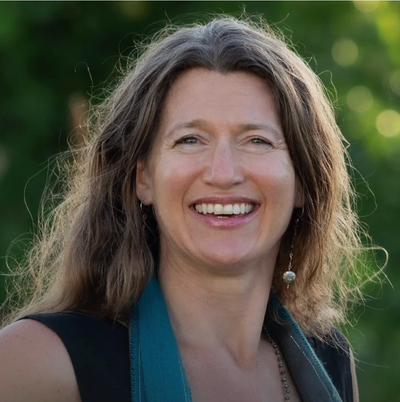
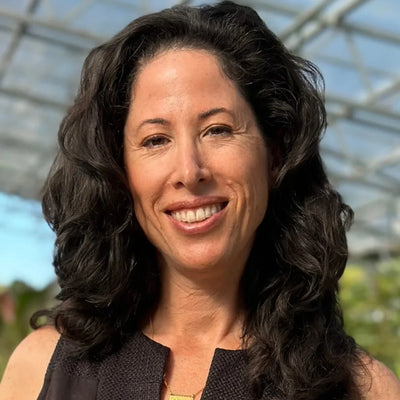
Your Faculty
Learn from the experts shaping the frontier of applied neuroscience.


Who This Is For
Built for practitioners ready to go deeper.
This is a practitioner-level training designed for helping professionals who already have a foundation in trauma-informed work and want a rigorous neuroscience framework to deepen and integrate what they do.
Homework
No assignments; Self-Reflections for certificate
CEUs
Available for eligible health professionals
Scholarships
Available, 10 full, 10 partial per 200 students
Refund Policy
Full refund up to 48 hours before start
Questions
info@theembodylab.com
Frequently Asked Questions
Who is this program designed for?
This program is designed for a wide range of practitioners and helping professionals, including therapists, psychologists, coaches, somatic practitioners, yoga therapists, movement therapists, physicians, nurses, occupational therapists, bodyworkers, mindfulness teachers, and other wellness and healthcare professionals. It is an education program, not a licensing program.
Do I need to attend live, or can I watch recordings?
All sessions are recorded and available in your online library within 48 hours, so you can attend live or catch up on your own schedule.
Is this a theoretical or experiential program?
The primary focus is experiential, connecting rigorous theory to felt experience and direct clinical application.
Are there homework requirements?
There are no formal assignments. Self-reflections are used to support your certificate completion.
Will I receive a certificate?
Yes, a certificate of completion is provided once you've completed the program requirements.
Will Continuing Education Units (CEUs) be offered?
CEUs are available for eligible health professionals. Details are provided during enrollment.
Do you offer scholarships?
Yes, a limited number of full and partial scholarships are available per cohort.
What is the refund policy?
A full refund is available up to 48 hours before the program start date.