Healing Relational Wounds

Somatic Therapy in Action: Healing Relational Wounds

Healing Relational Wounds.
This course showcases four somatic demonstrations focused on relationship dynamics. Witness participants explore challenges like career and family, mother-daughter bonds, the desire for connection, and the complexities of motherhood through mindful dialogue and somatic awareness. Observe how therapists utilize techniques like grounding and imagery to help participants process emotions, release tension, and cultivate self-acceptance and agency. This package illuminates the profound connection between the body and relational experiences, offering valuable insights into healing and fostering deeper connections.

Comprehensive Curriculum

Module 1: Exploring Stuckness and Emotional Release in Career and Family Dynamics (Dr. Diane Poole Heller) — Somatic regulation (temperature, areas of support), internal/external resourcing, tracking nervous system states (freeze response → release through laughter, tears, heat), attachment patterns impact on current experiences.

Module 2: Addressing Mother-Daughter Challenges and Fostering Grounding (Kai Cheng Thom) — Establishing container and agreements, somatic inquiry for relational issues, parts work through embodiment ("putting it down" part and "want to care" part), processing anger/sadness/fear.

Module 3: Navigating Grief and Anxiety in Interpersonal Relationships (Dr. Albert Wong) — Expanding/contracting in heart area, longing for closeness alongside fear of connection, permission for difficult emotions (anger as fire in the chest), release through imagery and movement.

Module 4: Processing Motherhood Grief and Overwhelm (Manuela Mischke-Reeds) — Guided body scan, humming and grounding, tracking imagery (black straps, concrete block), themes of control/unknown/push-pull, work with grief/anxiety/overwhelm related to motherhood and infertility.

Learning Outcomes & Professional Benefits

Core competencies across 5 areas: Somatic Tracking in Relational Work (how relational patterns live in body, temperature/tension/breath tracking); Working with Relational Wounds (attachment patterns, parent-child dynamics, grief/anxiety/longing); Therapeutic Techniques (grounding, mindfulness, imagery, pendulation, parts work through embodiment); Co-Regulation and Resourcing (internal/external resources, agency, self-acceptance); Release and Integration (discharge of held energy, completion of incomplete relational responses, movement from stuckness to flow).

Who This Is For

Therapists, coaches, and healing professionals working with: attachment wounds and family-of-origin patterns; mother-daughter or parent-child dynamics; couple's work and relationship struggles; grief and loss in relationships; anxiety about connection and intimacy; the complexities of parenthood and family systems.

Faculty

Diane Poole Heller (Dr.)

Diane Poole Heller (Dr.)


Diane Poole Heller, PhD, is an internationally recognized speaker, author, and expert in Attachment Theory and Trauma Resolution. Her signature approach—DARe (Dynamic Attachment Re-patterning experience)—offers therapists and individuals practical skills for healing attachment and trauma wounds. As Senior Faculty for SETI, Diane studied with Dr. Peter Levine and taught Somatic Experiencing® internationally for over 25 years. She is the author of The Power of Attachment, Crash Course, and the audio book Healing Your Attachment Wounds. Her film Surviving Columbine aired on CNN, supporting community healing after the shootings.
Kai Cheng Thom

Kai Cheng Thom

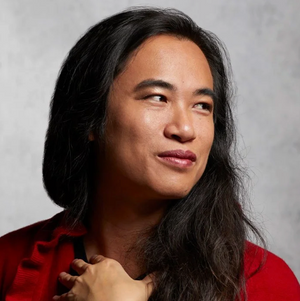
Kai Cheng Thom, MSW, MSc, Qualified Mediator, Certified Professional Jungian Life Coach, and Certified Somatic Sex Educator, is a coach, process facilitator, and mediator whose work focuses on the intersections of trauma healing, Transformative Justice, and social change. A noted theorist and practitioner in the field of conflict resolution, Kai Cheng has made significant contributions towards the integration and application of conflict transformation, crisis intervention, and body-based trauma healing methods in an activist context through her writing and teaching. Kai Cheng maintains a private practice as a one-on-one somatic coach, consultant, and group facilitator, drawing from extensive professional trainings in a wide variety of healing and wellness disciplines. She has also trained hundreds of embodiment and wellness professionals as Adjunct Faculty with the Institute for the Study of Somatic Sex Education and a Senior Teacher at The Embody Lab.

Albert Wong (Dr.)

Albert Wong (Dr.)

Dr. Albert Wong is the Director of the Trauma Certificate Program at Somatopia. He maintains a private counseling and consulting practice centered around somatic psychotherapy and is the founder of the online somatic education platform, Somatopia: www.somatopia.com.

Manuela Mischke-Reeds

Manuela Mischke-Reeds

Manuela Mischke-Reeds. MFT is an international teacher of somatic psychology, somatic psychotherapist, a founder of Hakomi Institute of California and Embodywise (non-profit) that cultivates learning from the wisdom teachings of the body. She is the developer of the Innate Somatic Intelligence Trauma Therapy Approach (ISITTA), an in-depth trauma training program for therapists and practitioners.

Manuela has 25+ years of clinical experience with trauma clients, coaching executives, first responders. She lectures and trains professionals on the topics of Hakomi Therapy, mindfulness-somatic psychology, trauma healing, embodied mindfulness for trauma and stress, Movement Therapy, Somatic Psychedelic assisted Psychotherapy.

Manuela is the author of several books, including 125 Somatic Psychotherapy Tools for Trauma and Stress (PESI 2018), 8 Keys to Practicing Mindfulness: Practical Strategies for Emotional Health, Well Being (W.W.Norton 2015), Trauma-sensitive movement (2025), Embodied Psychedelic Therapy (2025).