Polyvagal Trauma Therapy Certificate
60-Hour Live Online Certificate Program
A somatic, nervous-system–based approach to trauma healing

Learn from World-Leading Voices in Trauma Treatment
Internationally recognized leaders bring to life a holistic and unified curriculum.

Arielle Schwartz (Dr.)

Janina Fisher

Mel Pohl (Dr.)
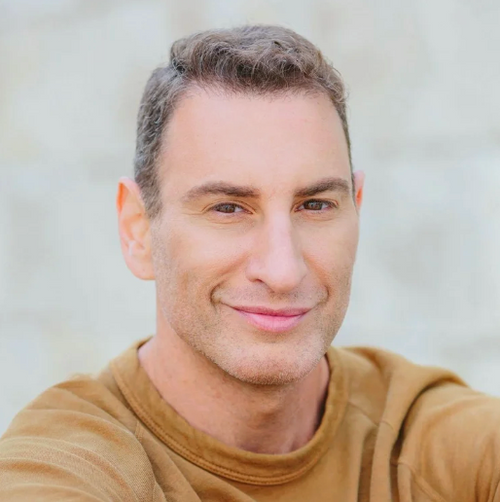
Scott Lyons (Dr.)

Stephen Porges (Dr.)

Sarah Baldwin
A 60-Hour Journey Through Seven Progressive Modules
An immersive certificate blending theory, somatic practice, and clinical application, guided by the integrated 6Rs model from foundations through reintegration.
01
Module 1 · Polyvagal Foundations
"Trauma is not what happens to us, but what we hold inside in the absence of an empathetic witness." , Peter A. Levine
This opening module lays the conceptual and experiential foundation for the entire certificate. You will explore what trauma is through a polyvagal lens, learn how the autonomic nervous system organizes perception and behavior, and be introduced to the integrated 6Rs model that will guide the program from beginning to end.
Overview
What is trauma, nervous system states & social engagement system, hybrid states (freeze, fight, flight, fawn/appeasement, faint, and submit), tiered response to threat, neuroception and interoception, exteroception, proprioception.
The Combined Polyvagal Model
Introduction to the integrated 6Rs model, Recognizing, Resourcing, Rewiring, Repatterning, Reprocessing, and Reintegration, with an experiential walk-through of each phase.
Clinical Applications
You will leave this module with a clear clinical map of the autonomic nervous system, an understanding of how hybrid survival states present in session, and a foundational grasp of the 6Rs framework you will apply across the entire certificate.
02
Module 2 · Recognizing, Listening to the Felt Sense
"Trauma is not what happens to you but what happens inside you.", Gabor Maté
Before any intervention can land, both client and clinician must be able to recognize what is happening in the autonomic nervous system. This module teaches the felt sense polyvagal model, introduces key assessment tools, and contextualizes nervous system states within personal, social, cultural, and collective trauma histories.
Introduction to the Felt Sense Polyvagal Model
Working with interoception as a feedback loop with neuroception, deepening into the felt shift in the body as related to autonomic states, practices to find more ventral energy, the trauma feedback loop, working with the felt sense to titrate traumatic experiences, steps of focusing, titration as a central clinical tool.
Nervous System State Assessment & Contextualization
Identifying dissociation, BPQ, NPSS, 5-point check-in, respond and regulate. Contextualizing nervous system state within personal history, and within social, cultural, and collective trauma history; psychoeducation when it is relevant to the individual.
Clinical Applications
You will be able to assess autonomic states using validated tools, use psychoeducation skillfully, and situate a client's nervous system experience within broader cultural and systemic contexts.
03
Module 3 · Resourcing, Nourishing the Nervous System
"Every human has a true genuine authentic self. The trauma is the disconnection from it. The healing is the reconnection with it.", Gabor Maté
Resourcing is the art of finding your way back to ventral vagal, and teaching your clients to do the same. This module explores the full range of somatic, relational, and nutritional pathways to nourishing the nervous system and building the capacity needed for deeper trauma work.
Orienting to Safety
Clearing space, step 1. Somatic grounding practices and the felt sense as an anchor for orienting to the present moment.
From Sensory Input to Physiological Safety
MicroResets and capacity building, compassion, savoring, glimmers, and the applied nutrition and vagus nerve connection.
Clinical Applications
You will have a rich toolkit of resourcing interventions, breath, movement, nutrition, relational, and somatic, to help clients build the nervous system capacity needed before processing begins.
04
Module 4 · Rewiring, Building New Patterns
"We cannot eliminate the so-called negative forces of afflictive emotions. The only way to work with them is to encounter them directly, enter their world, and transform them. They then become manifestations of wisdom.", Dr. Arielle Schwartz
Rewiring is where clients begin to build new neural pathways by turning toward discomfort within a window of tolerance. Through titration, relational co-regulation, somatic re-appraisal, and vagal toning, this module develops the nervous system's capacity for change.
Titration with a Felt Sense
Steps of focusing, demo videos, staying safe while working with traumatic material, and how to titrate without re-traumatizing.
Relational Rewiring
1-on-1 and group spaces, social engagement and co-regulation, relational safety as a vehicle for nervous system change.
Somatic Re-Appraisal
Working with habitual narratives we have about our felt sense and how to stay with sensation rather than story.
Vagal Toning, Breath & Movement
Breath and vagal tone, vagus nerve stimulation techniques for expanding affect and sensation tolerance, polyvagal yoga, bilateral movement, rhythmic rocking, and somatic practices for nervous system resilience.
Clinical Applications
You will develop confidence supporting clients through titrated activation, relational co-regulation in individual and group settings, and somatic interventions for building lasting nervous system capacity.
05
Module 5 · Repatterning, Supported Mobilization
"The paradox of trauma is that it has both the power to destroy and the power to transform and resurrect.", Peter A. Levine
Repatterning involves supported mobilization or supported immobilization within a safe-enough relational field, progressing into a new felt sense. This module addresses the flexibility of states, freeze physiology, dissociation, and the somatic patterns that keep clients locked in survival.
Flexibility of States & Affect Bridges
How to facilitate movement between autonomic states; affect bridges as a clinical tool for accessing and shifting stuck states.
Working with Dissociation and Freeze
Shape/counter-shape, how to work with a client when stuck in freeze, parts-based approaches to dissociative organization.
Interrupting the Trauma Feedback Loop
Clinical strategies for interrupting the trauma feedback loop as it unfolds in session, in real time.
Somatic Repatterning
Somatic interventions for repatterning survival-based movement and postural patterns.
Clinical Applications
You will be equipped to facilitate state flexibility, work safely with freeze and dissociation, and apply somatic repatterning techniques within the relational field of therapy.
06
Module 6 · Reprocessing, Working with Traumatic Memory
"The body has been designed to renew itself through continuous self-correction. These same principles also apply to the healing of psyche, spirit, and soul.", Peter A. Levine
Reprocessing is both a phase in itself and a process that may call on all other phases. It involves opening the file of a traumatic memory, creating change in the client's relationship to that memory through an updated felt sense, and supporting the emergence of a new narrative. This module covers memory reconsolidation, reprocessing techniques, and complex clinical presentations.
Memory Reprocessing & Addiction
What is a traumatic memory neural network? How are nervous system states wired into neural networks? How do we know when a traumatic memory is being accessed? What is memory reconsolidation? Gathering a trauma history.
Root Cause: Dysautonomia, Chronic Pain & Illness
Polyvagal approaches to chronic pain, dysautonomia, and persistent somatic activation.
Memory Reprocessing and Trauma
Integrative polyvagal theory and traumatic memory reprocessing, demonstration and discussion.
Polyvagal & Developmental Trauma
Working with preverbal and developmental trauma through a polyvagal lens; cultural and systemic considerations.
Clinical Applications
You will understand the neuroscience of traumatic memory, be able to assess readiness for reprocessing, and apply polyvagal-informed reprocessing techniques across a range of presentations including developmental trauma, addiction, and chronic pain.
07
Module 7 · Reintegration, A New Sense of Self
"Trauma is a fact of life. It does not, however, have to be a life sentence. Not only can trauma be healed, but with appropriate guidance and support, it can be transformative.", Peter A. Levine
Re-evaluation and Integration is the action phase. We review the progress the client has made, explore the new sense of self by returning to assessment tools to identify changes, and evaluate what additional shifts are still needed. This module also prepares participants to bring the full 6Rs model into their own clinical practice.
Integration of Phases 1–5
Demo and practice session, bringing together all phases of the 6Rs model with live demonstration.
Re-evaluation and Integration
Assessment for the purpose of re-evaluation. Reviewing the progress the client has made, exploring the new sense of self by returning to assessment tools, evaluating what additional changes need to happen.
Integration into the World
Rebuilding trust, taking the new sense of self into the world, and working with the grief that can accompany deep change.
Closing Session
Final integration, celebration of completion, and next steps for bringing the Polyvagal Certificate into your clinical practice.
Clinical Applications
You will finish the program with the tools to guide clients through full integration, supporting lasting behavioral and relational change, identity consolidation, and a coherent framework for applying the 6Rs model throughout your practice.
What You'll Learn
Polyvagal Application
- Recognize and map autonomic states and blended survival responses
- Track nervous system capacity moment by moment, not just symptom presentation
- Pace intervention to match actual physiological readiness
- Maintain connection during activation and trauma processing
- Support shifts from defensive survival into adaptive engagement
- Interrupt the trauma feedback loop as it's happening, not after the fact
- Integrate somatic interventions without triggering overwhelm or shutdown
Clinical Contexts
- Detect blended autonomic states, dissociation, and freeze physiology in real time
- Work with developmental trauma, preverbal memory, and procedural patterns
- Use felt-sense titration to safely access and reorganize traumatic material
- Expand social engagement through relational co-regulation
- Support clients with chronic pain, dysautonomia, and persistent activation
- Shift threat perception by updating neuroception
- Integrate breath, vagal toning, and somatic practices to build durable capacity
- Contextualize autonomic states within cultural and systemic trauma
Practice Outcomes
- Greater stability and relational connection throughout trauma sessions
- Increased client capacity to tolerate activation without overwhelm
- Clear, embodied decision-making about when and how to intervene
- Confidence working with freeze, shutdown, and dissociation
- Guide identity and relational shifts during integration
- Not just learning techniques, learning how to sequence them with precision
Program Schedule
Self-Paced & On-Demand
This certificate program is fully on-demand. All seven modules are available immediately upon enrollment, allowing you to move through the curriculum at your own pace.
Lifetime Access
Once enrolled, you have lifetime access to all course recordings, supporting materials, and downloadable resources, return as often as needed throughout your clinical practice.
Completion Timeframe teste
Most participants complete the 60-hour curriculum over 3–6 months, though there is no required pace. The program is designed to be integrated alongside an active clinical practice.
Level 1, Live Session Dates
- 11:00am – 1:30pm ET
- 1:30 – 2:00pm ET, Break
- 2:00 – 4:30pm ET
- 11:00am – 1:30pm ET
- 1:30 – 2:00pm ET, Break
- 2:00 – 4:30pm ET
Learning Platform Format
Online Learning Platform
- All seven modules pre-recorded and ready to stream
- Detailed module guides and reflection prompts
- Supporting PDFs, worksheets, and clinical handouts
- Demonstration videos with leading faculty
Accessibility
- Stream on any device, anytime
- Download audio for offline learning
- Lifetime access to all content
- Captions and transcripts in English
Certificate of Completion
• Attend the live sessions or watch the recordings.
• Complete the Self Evaluation & Reflection after each module. ( Please note: This should be completed within 3 months after the last live session.)
• Complete 4 sessions (45 mins or longer) outside of class times. A session is considered a practice together with the application of the tools learned.
• Submit full payment.
Registration / Enrollment
Secure your spot in this certificate program. Payment plans and member pricing available at checkout.
Questions, answered
Who is this certificate program designed for?
This program is designed for licensed mental health practitioners, including LCSWs, LPCs, psychologists, and other clinicians, who are integrating somatic, body-based, and polyvagal-informed approaches into their work with trauma. It is also relevant for advanced trainees and seasoned practitioners seeking a structured, integrative framework grounded in the work of Stephen Porges, Peter Levine, and other leaders in the field.
Do I need prior experience with Polyvagal Theory?
No prior experience is required. Module 1 establishes the foundational concepts of Polyvagal Theory, including autonomic states, neuroception, and the social engagement system. Practitioners with existing exposure to the work will find the integrated 6Rs model deepens and connects what they already know.
How long do I have to complete the program?
You have lifetime access to all course content. Most participants complete the 60-hour curriculum over 3–6 months, but there is no required completion timeframe. You can move through the modules at the pace that best supports your learning and your clinical practice.
Is the program live or on-demand?
This certificate is fully on-demand. All seven modules are pre-recorded and available immediately upon enrollment. This format allows you to integrate the material alongside an active practice, revisit content as needed, and apply learning in real time with your clients.
What happens after I complete the program?
Upon completion of all seven modules and any required reflection assignments, you receive a Polyvagal Trauma Therapy Certificate from The Embody Lab. You retain lifetime access to the course materials and can continue to use them as a clinical reference throughout your practice.
Are CE credits available?
60 , Continuing Education credits may be available for this program. Please email info@theembodylab.com for more information on CE accreditation and eligible credentials.
Are payment plans available?
Yes. Payment plans are available at checkout, allowing you to spread the cost of the certificate over multiple installments. Members of The Embody Lab also receive preferred pricing, see the registration card above for current member rates.
What is your refund policy?
Refund requests are reviewed on a case-by-case basis within 14 days of enrollment, provided fewer than two modules have been accessed. Please reach out to support@theembodylab.com with any questions before enrolling.
Ready to begin?
Join a new generation of practitioners trained in polyvagal-informed trauma care.