Summit: Healing Trauma with EMDR and Applied Neuroscience

Eight world-leading experts on EMDR, somatic therapy, and trauma neuroscience

Summit: Healing Trauma with EMDR and Applied Neuroscience.
Join Dr. Bessel van der Kolk and seven world-leading experts for an on-demand summit exploring the powerful intersection of EMDR therapy, somatic practice, and applied neuroscience. Through engaging presentations and experiential workshops, you'll learn how trauma reshapes the brain, why the body is essential to rewiring it, and how integrating EMDR with somatic tools — from polyvagal-informed pacing to play and psychodrama — creates lasting transformation for clients and self alike.

Comprehensive Curriculum

Session 1 — The Window of Transformation: Interpersonal Neurobiology and Conflict Healing
Kai Cheng Thom · 75-minute experiential session

What is the role of the body in conflict transformation? Somatic practitioner and professional mediator Kai Cheng Thom integrates interpersonal neurobiology, polyvagal theory, and Transformative Justice to offer powerful frameworks for psychological safety and conflict healing — usable in families, workplaces, and communities.

Session 2 — EMDR & the Science of Embodiment: An Integrative Approach to Healing Trauma
Stacy Ruse · 75-minute experiential session

Discover how neuroscience, EMDR, and somatic therapies combine to transform trauma healing. Cover the Adaptive Information Processing model, Polyvagal Theory, the three brains (head, heart, gut), Bilateral Stimulation, neuroception, heart coherence, Wilhelm Reich's seven belts of tension, and practical somatic techniques to integrate with EMDR.

Session 3 — The Value of a Somatic Approach for Tracking Resiliency and Pacing Therapy Effectively
Craig Penner · 75-minute experiential session

A somatic approach engages aspects of the client's process not available through cognitive work alone. Learn to track moment-by-moment shifts in nervous system activation, recognize unstated "signs of struggle," and identify the subtle dissociation that often goes missed — using somatic data to pace therapy with precision.

Session 4 — Rediscovering Spontaneity: EMDR, Complex Trauma, and Play
Karee Powers · 75-minute experiential session

Play is our first therapeutic language. Drawing on psychodrama, somatic psychology, and play therapy theory, Karee explores how integrating play with EMDR can enhance safety, connection, and spontaneity for survivors of complex trauma and dissociation.

Session 5 — EMDR Meets Somatics: Transforming Trauma, Accelerating Healing
Sergio Ocampo · 75-minute experiential session

While EMDR is a leading trauma approach, overwhelming emotions can stall progress. Sergio demonstrates somatic techniques — including Self Supportive Contact and dialogue — that deactivate emotions in the body, relieve trauma-induced pain, and amplify EMDR's impact.

Bonus — The Body Keeps the Score: EMDR and Trauma
Dr. Bessel van der Kolk, Karee Powers, and Dr. Scott Lyons · 90-minute interview session

Renowned trauma expert Dr. Bessel van der Kolk dives into EMDR's transformative potential — its development, effectiveness, and limitations — and explores how it integrates with somatic practice and other modalities for acute and complex trauma. Includes discussion of physiological tracking, cultural paradigms in therapy, psychodrama, and psychedelic-assisted approaches.

Bonus — Somatic EMDR Therapy for Symptoms of Chronic Pain and Illness
Dr. Arielle Schwartz · 45-minute experiential session

A biopsychosocial approach to somatic EMDR that addresses both physical and psychological factors in chronic pain and illness — helping clients increase their sense of control, self-efficacy, and self-regulation around disturbing physical symptoms.

Learning Outcomes & Professional Benefits

Understand the Adaptive Information Processing (AIP) model behind EMDR

Apply Polyvagal Theory and bottom-up approaches to trauma healing

Track resiliency and pace therapy through somatic awareness

Recognize "subtle dissociation" and signs of struggle below narrative

Integrate play and psychodrama with EMDR for complex trauma

Use somatic techniques to deactivate emotions and accelerate EMDR

Apply biopsychosocial somatic EMDR for chronic pain and illness

Use interpersonal neurobiology and polyvagal theory for conflict transformation

Translate trauma neuroscience into practical clinical tools

Who This Is For

- EMDR therapists and trainees
- Mental health professionals and trauma-informed clinicians
- Somatic therapists and bodyworkers
- Counselors, social workers, and healing professionals
- Coaches and conflict mediators
- Trauma survivors curious about evidence-based modalities
- Anyone seeking an integrative, body-based approach to trauma recovery

Faculty

Bessel van der Kolk (Dr.)

Bessel van der Kolk (Dr.)


Bessel van der Kolk, M.D., is a pioneering clinician, researcher, and teacher in posttraumatic stress, integrating developmental, neurobiological, and interpersonal aspects of trauma. His bestselling The Body Keeps the Score transformed how we understand trauma. With 150+ peer-reviewed articles, he has studied neuroimaging, memory, neurofeedback, Developmental Trauma, yoga, theater, and EMDR. He is founder of the Trauma Research Foundation, past President of the International Society for Traumatic Stress Studies, Professor of Psychiatry at Boston University, and PI of the MAPS MDMA-assisted psychotherapy study.

Kai Cheng Thom

Kai Cheng Thom

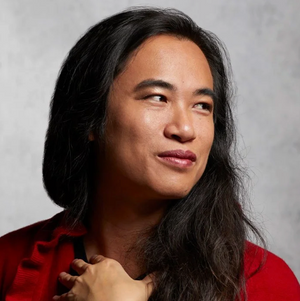
Kai Cheng Thom, MSW, MSc, Qualified Mediator, Certified Professional Jungian Life Coach, and Certified Somatic Sex Educator, is a coach, process facilitator, and mediator whose work focuses on the intersections of trauma healing, Transformative Justice, and social change. A noted theorist and practitioner in the field of conflict resolution, Kai Cheng has made significant contributions towards the integration and application of conflict transformation, crisis intervention, and body-based trauma healing methods in an activist context through her writing and teaching. Kai Cheng maintains a private practice as a one-on-one somatic coach, consultant, and group facilitator, drawing from extensive professional trainings in a wide variety of healing and wellness disciplines. She has also trained hundreds of embodiment and wellness professionals as Adjunct Faculty with the Institute for the Study of Somatic Sex Education and a Senior Teacher at The Embody Lab.

Scott Lyons (Dr.)

Scott Lyons (Dr.)

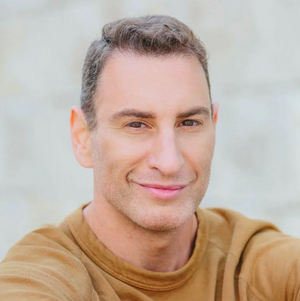
Dr. Scott Lyons (DO, PhD, MS, MFA, CHT, BMCP/T, RSMT, SME, BMCP, IDME, SEP, CST, BFA, RYT-500) is a Clinical Psychologist, Osteopath, and Mind-Body Medicine practitioner who specializes in therapies for infants, youth, and adults. Additionally, Dr. Lyons holds a BFA in Theater/Psychology, and an MFA in Dance/Choreography. Scott is the creator of The Embody Lab — a hub for embodied education, self-discovery and healing— and developer of Somatic Stress Release™ — a processes of restoring our biological adaptation system.

Karee Powers

Karee Powers

Karee Powers, LICSW, EMDR-C is certified in EMDR and is an EMDR trainer and consultant. She has over 17 years of experience providing psychotherapy in a variety of settings including inpatient facilities, and non-profit organizations offering care for children, adolescents and adult survivors of abuse, neglect, combat trauma, sexual trauma, phobias, generational trauma, and interpersonal traumas. Her private practice and training is centered in work with complex trauma and dissociation, using EMDR, CBT, psychodrama, somatic psychology, and mindfulness. She graduated from the University of North Carolina, Chapel Hill with her Master’s in Social Work.

Sergio Ocampo

Sergio Ocampo

Sergio Ocampo is a licensed psychotherapist, educator, and co-developer of Dynamic Somatic Touch (DST), an integrative trauma-resolution approach addressing emotional overwhelm, trauma, chronic pain, and illness. His work blends somatic and cognitive therapies including Somatic Experiencing, EMDR, family systems, generational trauma, and depth and spiritual psychology. An adjunct faculty member at Antioch University and contributor to The Embody Lab, Sergio holds leadership roles within Somatic Experiencing communities and teaches internationally, emphasizing that trauma is temporary and resolvable.

Arielle Schwartz (Dr.)

Arielle Schwartz (Dr.)


Dr. Arielle Schwartz is a clinical psychologist and leading voice in trauma healing. An internationally sought-out teacher, she is the author of seven books, including The Complex PTSD Workbook, The Post-Traumatic Growth Guidebook, EMDR Therapy and Somatic Psychology, and Applied Polyvagal Theory in Yoga. As founder of the Center for Resilience Informed Therapy, she offers a mind-body approach to trauma therapy and shares mental health and wellness insights through her writing, speaking, social media, and blog. She believes the journey of trauma recovery is an awakening of the spiritual heart.

Craig Penner

Craig Penner

Craig Penner, LMFT, is a psychotherapist, trainer, and consultant who has been in private practice in California since 1982. His work integrates somatic psychotherapy, EMDR, and bilateral stimulation to support efficient, nervous-system–informed healing. Craig is the developer of Natural Processing, an approach grounded in the belief that people have an innate drive toward resolution. An EMDRIA-approved consultant and longtime facilitator with the EMDR Institute, he has trained and consulted therapists across North America for decades.

Stacy Ruse

Stacy Ruse

Stacy Ruse, LPC, RYT, is a trauma expert and owner of Aglow Counseling, where she offers global training and consultation services using IFS, EMDR, Transpersonal, and Yoga therapies. Her warm approach, while deeply rooted in trauma-informed methodologies, is also characterized by a transpersonal twist that transcends the boundaries of traditional therapy. She is an IFS-Institute Approved Consultant, Evergreen EMDR Consultant, and Registered Yoga Teacher.